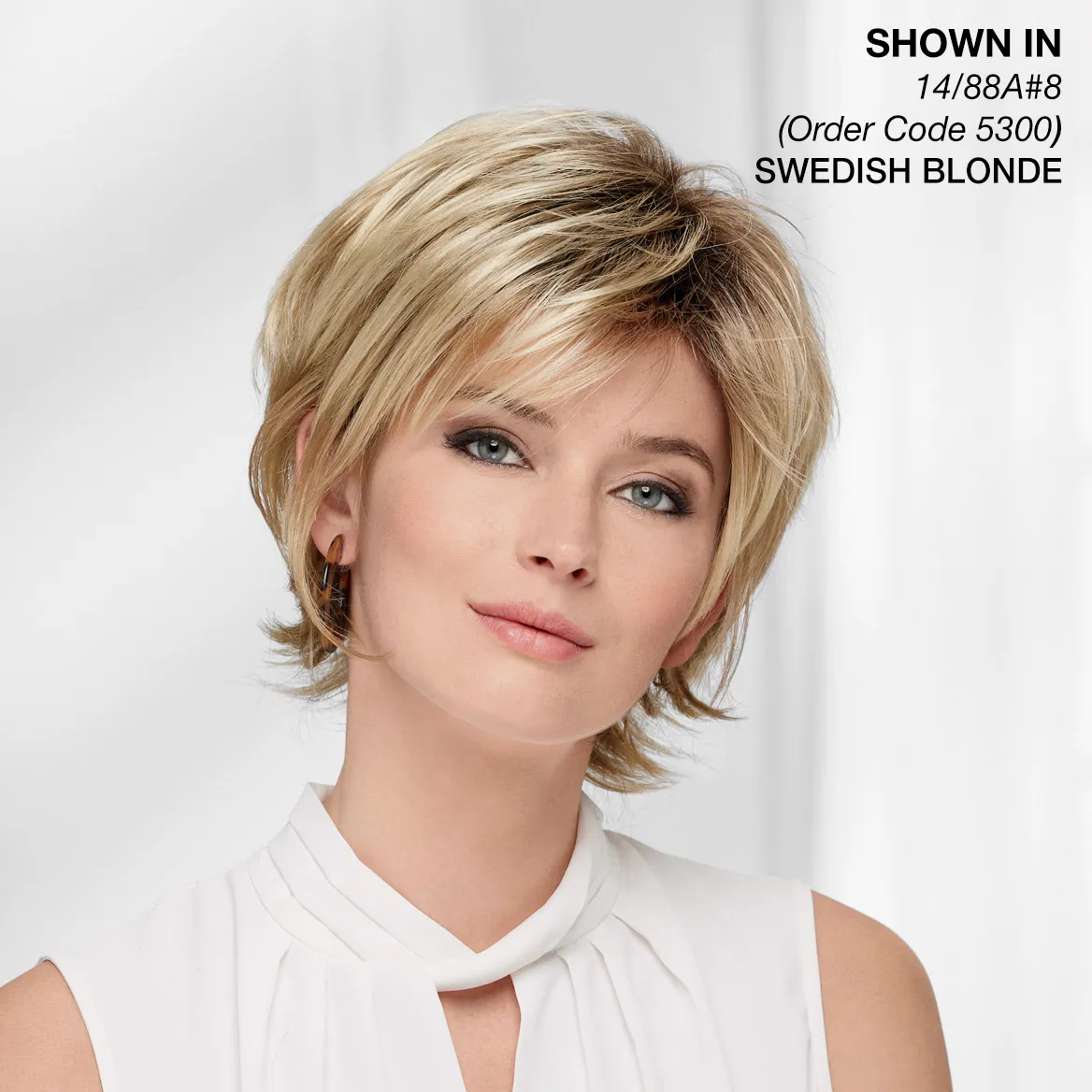
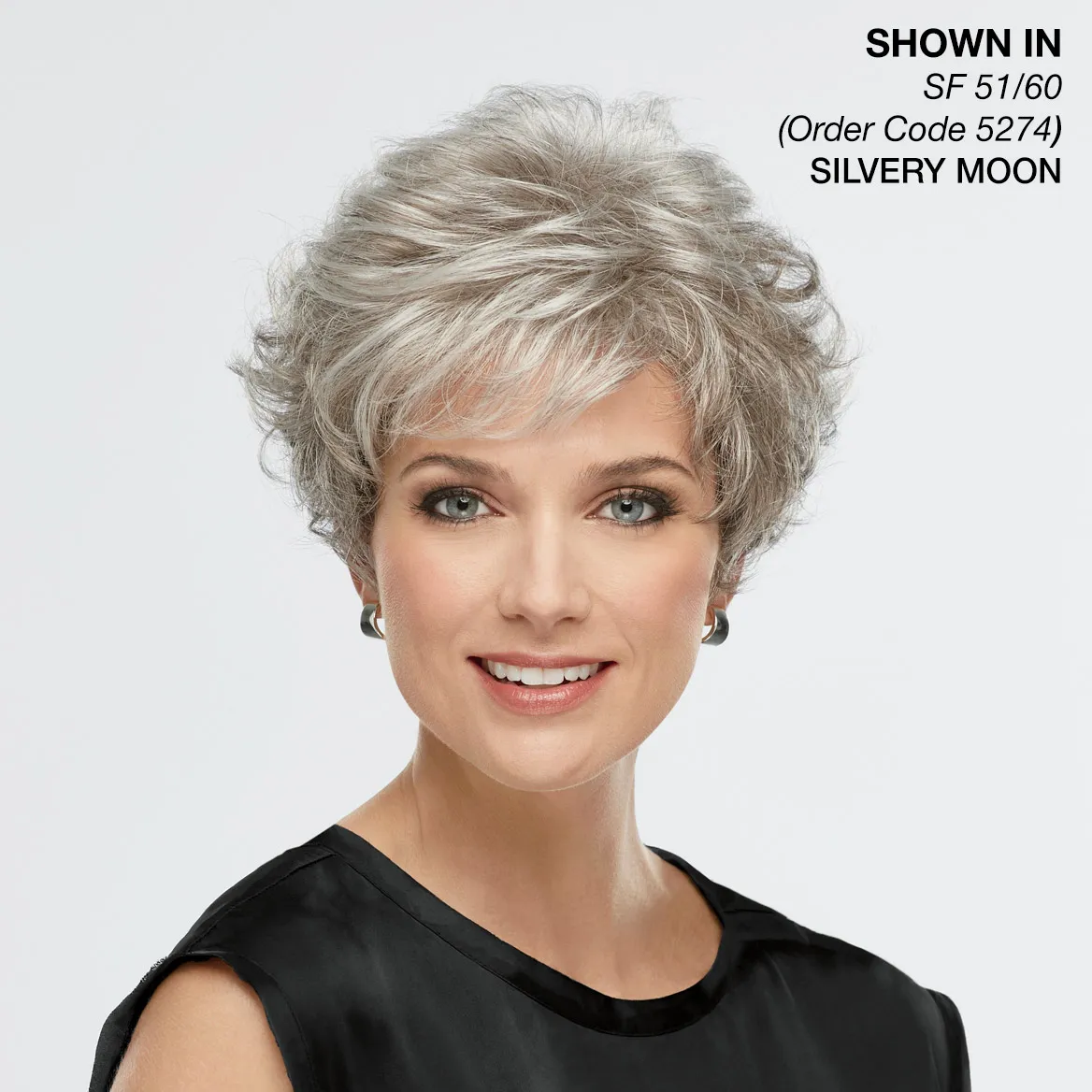
The single biggest giveaway that someone is wearing a wig isn’t the style or the length. It’s the color. A flat, single-tone shade sits on top of your head like a helmet, while real hair has depth, dimension, and a darker root that gradually lightens toward the ends. That’s exactly what rooted color wigs are designed to replicate.
Rooted wigs feature a slightly darker shade at the crown that blends seamlessly into the main color — mimicking the natural regrowth pattern of biological hair. The result is a wig that looks like it grew from your scalp, not one that was placed on it.
Whether you’re wearing a wig for convenience, hair loss, or simply because you love switching up your look, the right rooted color can make all the difference between “she’s wearing a wig” and “her hair looks incredible.” This guide covers what to look for, how to match a rooted wig to your natural hair and skin tone, and the best picks from Paula Young’s rooted collection.
What Makes a Rooted Wig Look Natural?
Most people assume that a natural-looking wig comes down to fiber quality. Quality matters, but color architecture is what truly sells the illusion. Real human hair is never a single, uniform shade from root to tip. New growth is darker, mid-lengths shift slightly, and ends often carry warmth or lightness from sun exposure and everyday wear.
A rooted wig replicates this gradient in three key ways:
Darker roots: The crown and part line carry a deeper base tone, grounding the color and creating the appearance of natural regrowth.
Dimensional mid-lengths: The color gradually transitions through the body of the wig, adding depth that a flat color simply can’t achieve.
Lighter ends: Many rooted styles finish with slightly lighter tips, mirroring how natural hair lightens over time.
Why Flat Colors Fall Short
A single-tone wig color can look perfectly fine in a photo or under indoor lighting. Step outside, and the difference is immediate. Natural light exposes the flatness of a uniform shade and creates an obvious contrast against your scalp and hairline.
Rooted colors solve this problem because the darker root zone visually connects the wig to your scalp. Even if the main color doesn’t match your natural hair exactly, a well-matched root creates a believable transition that fools the eye.
The key insight: Your root color is your anchor point. Match the root of the wig to your natural root or scalp tone, and the rest of the color blend becomes far more forgiving.
How to Choose the Right Rooted Color for Your Hair and Skin Tone
Choosing a rooted wig color involves two separate (but related) decisions: matching the root to your natural hair, and choosing a main color that flatters your skin tone. Getting both right is how you achieve a truly seamless blend.
Step 1: Identify Your Root Tone
Your natural root is your most important reference point. Before browsing wig colors, take a photo of your scalp at the crown and temples in natural daylight (no flash). Look at the first inch or two of growth. Is it:
Cool-toned? Blue-gray, ash brown, or dark with no red or gold warmth.
Warm-toned? Golden, chestnut, or brown with visible reddish or caramel undertones.
Neutral? A balanced mix that leans neither clearly warm nor cool.
Choose a rooted wig where the root shade closely mirrors what you see in that photo. This is the connection point between the wig and your scalp.
Step 2: Know Your Skin Undertone
Once you’ve anchored the root, choose a main color that works with your complexion. Skin undertone (not surface tone) is the guide here.
Undertone
How to Identify
Best Rooted Wig Colors
Warm
Veins look greenish; gold jewelry flatters
Honey blonde, caramel, chestnut, copper, auburn
Cool
Veins look blue or purple; silver jewelry flatters
Not sure of your undertone? Hold a white sheet of paper next to your face in natural light. If your skin looks rosy or pink, you’re likely cool. If it looks golden or yellowish, you’re warm. If you can’t tell, you’re probably neutral, which means you have the most flexibility when choosing a shade.
Step 3: Consider Gray Coverage and Blending
If your natural hair includes gray or silver, a rooted wig with a salt-and-pepper or silver-blended root will look far more natural than one with a solid dark root. The goal is for the wig’s root zone to visually match what’s actually growing from your scalp, not what your hair looked like 20 years ago.
For women with significant gray, look for rooted styles described as “silver-rooted,” “frosted,” or “salt and pepper” to achieve the most realistic blend.
Best Rooted Color Wigs from Paula Young
Paula Young’s rooted color collection spans a wide range of shades and styles, all built around that natural root-to-end gradient. Here are standout picks organized by color family, with guidance on who each one suits best.
Best for Warm Brunettes: Color Me Beautiful WhisperLite
The Color Me Beautiful WhisperLite is a short, wavy style that wears beautifully in warm brunette rooted shades. The WhisperLite fiber is ultra-lightweight, so it sits naturally on the head without the density that can make wigs look bulky. The wavy texture adds the kind of casual movement that makes a color blend even more convincing.
Best for: Women with warm undertones and natural brown or brunette hair looking for a low-maintenance everyday style.
Best for Medium-Length Versatility: Long Color Me Beautiful WhisperLite
For those who prefer more length, the Long Color Me Beautiful WhisperLite delivers the same dimensional rooted color in a longer, flowing silhouette. The wavy texture and rooted shading work together to create the kind of effortless, sun-kissed look that’s hard to achieve with a flat color.
Best for: Women who want a versatile medium-to-long style with natural-looking root depth in blonde or brunette rooted shades.
Best for Natural Dimension: Heather VersaFiber
The Heather VersaFiber is a medium straight wig made from heat-resistant VersaFiber, which means it can be styled with low heat for added customization. Straight styles are where rooted color really proves its worth: without waves or curls to add visual texture, the color gradient itself does all the work of creating dimension.
Best for: Women with cool or neutral undertones who prefer a sleek, straight style and want root depth to provide all the natural-looking dimension.
Best for Human Hair Realism: Cosmopolitan Human Hair Wig
For the most natural result possible, the Cosmopolitan Human Hair Wig offers genuine human hair that can be colored, heat-styled, and worn exactly like your own. Human hair wigs in rooted shades carry an unmatched depth because the color is processed into real hair strands, giving the same light-reactive quality as natural hair.
Best for: Women who want maximum realism and are comfortable with the additional care that human hair requires.
Best for Adding Volume: Crowning Touch Human Hair Wiglet
Not every woman needs a full wig. If you have natural hair but want to add volume at the crown or blend a thinning area, the Crowning Touch Human Hair Wiglet is a precision solution. Choosing a wiglet in a rooted color that matches your natural hair creates an invisible blend at the attachment point.
Best for: Women with thinning at the crown who want to integrate a hairpiece seamlessly with their existing hair.
Tips for Getting the Best Blend
Even with the right rooted color, a few practical steps will take your blend from good to undetectable.
Always View Swatches in Natural Light
Wig color swatches look different under store or screen lighting than they do outdoors. Before committing to a shade, take the swatch or color ring outside and hold it against your jawline, not your wrist. The jawline is closest to where the wig will actually sit, making it the most accurate comparison point.
Go Slightly Lighter When in Doubt
When choosing between two similar shades, the lighter option is almost always the safer bet. Darker shades tend to look heavier in real life than they appear in swatches or product photos, and they can create a starker contrast against your scalp or natural hairline.
Match Your Brows
A rooted wig that’s dramatically lighter or darker than your eyebrows will look disconnected. If you’re choosing a shade that differs significantly from your natural color, consider tinting or filling in your brows to bridge the gap. This small step has a disproportionately large impact on the overall result.
Don’t Overlook the Hairline
The front hairline is where a wig is most scrutinized. Rooted colors help significantly here because the darker root zone creates a shadow effect that mimics the look of hair growing from the scalp. Styles with a natural-looking part or a lace front will enhance this effect even further.
Order a Color Ring First
If you’re shopping online and unsure between shades, many Paula Young styles are available with a color ring option. Testing the physical swatch against your own hair and skin before ordering the full wig is the most reliable way to avoid a mismatch.
Find Your Perfect Rooted Shade
A rooted color wig is one of the most effective upgrades you can make if you want your wig to look genuinely natural. The gradient from darker roots to lighter ends is what real hair does, and it’s what the eye expects to see. Flat colors, no matter how high-quality the fiber, will always look slightly artificial by comparison.
The formula is straightforward: anchor your root match to your natural scalp tone, choose a main color that works with your skin undertone, and let the rooted gradient do the rest of the blending work for you.
Can I wear a rooted wig if my natural hair is fully gray or white?
Yes, and rooted wigs often look more natural on gray or white hair than flat-color styles do. Look for wigs described as “silver-rooted,” “salt and pepper rooted,” or styles with a cool ash or white root. The key is matching the root zone to your actual scalp tone rather than trying to recreate a color you had decades ago. A silver or frosted root blends seamlessly into gray hairlines and creates a convincing transition that a solid dark root never could.
How do I know if a rooted wig’s root color will match my natural hair?
Order a color ring before committing to a full wig. Color rings are small physical swatches of the actual fiber, and viewing them in natural daylight next to your own hair (or against your scalp at the part line) is the most reliable way to check the match. Screen and catalog photos can shift the appearance of a shade significantly depending on lighting. Paula Young offers color ring options for many styles, making this the safest approach when you’re deciding between two similar shades.
Do rooted wigs work for women with fine or thinning hair?
Rooted wigs are actually one of the best options for women with fine or thinning hair, for two reasons. First, the darker root zone creates a shadow effect at the part and hairline that mimics the look of hair growing from the scalp, which is especially convincing when natural density is lower. Second, styles like the Crowning Touch Human Hair Wiglet allow you to add volume at the crown while blending with your existing hair, rather than covering it entirely. Choosing a rooted shade that mirrors your natural color makes the integration nearly seamless.