paulayoung

Hair Loss Awareness Month: How the Right Wig Can Help You Feel Like Yourself Again

August is Hair Loss Awareness Month, a time dedicated to breaking the silence around one of the most emotionally charged experiences a woman can face. Hair loss is not just a physical change. For many women, it touches something much deeper: identity, femininity, and the quiet confidence that comes from feeling like yourself when you look in the mirror.

If you are navigating hair loss right now, whether from chemotherapy, alopecia, hormonal changes, or natural thinning, you are not alone. And you deserve real solutions, not just sympathy.

By the numbers: The American Academy of Dermatology estimates that roughly 80 million Americans experience hereditary hair loss, and women make up a significant portion of that number. Add in hair loss triggered by medical treatments and autoimmune conditions, and the scale becomes even clearer.

This month is about awareness, but awareness without action only goes so far. So let’s talk about what actually helps.

What Is Hair Loss Awareness Month?

Hair Loss Awareness Month takes place every August, led by organizations like the American Hair Loss Association to educate the public, reduce stigma, and connect people with resources and solutions.

For women, the conversation often feels harder to start. Society tends to frame hair loss as primarily a “men’s issue,” which leaves many women feeling isolated when they begin noticing thinning patches, shedding, or full hair loss. The reality is that female hair loss is extremely common, and it can stem from several causes:

  • Chemotherapy and cancer treatment: One of the most well-known causes, often involving rapid and significant hair loss

  • Alopecia areata: An autoimmune condition where the immune system attacks hair follicles

  • Androgenetic alopecia: Hereditary thinning that affects millions of women, often beginning after menopause

  • Telogen effluvium: Stress-related or hormonal shedding, often triggered by pregnancy, illness, or major life changes

  • Thyroid conditions and nutritional deficiencies: Less visible causes that are often overlooked

Understanding the cause matters for treatment. But in the meantime, life does not pause. You still have places to be, people to see, and mornings where you want to feel good about what you see in the mirror.

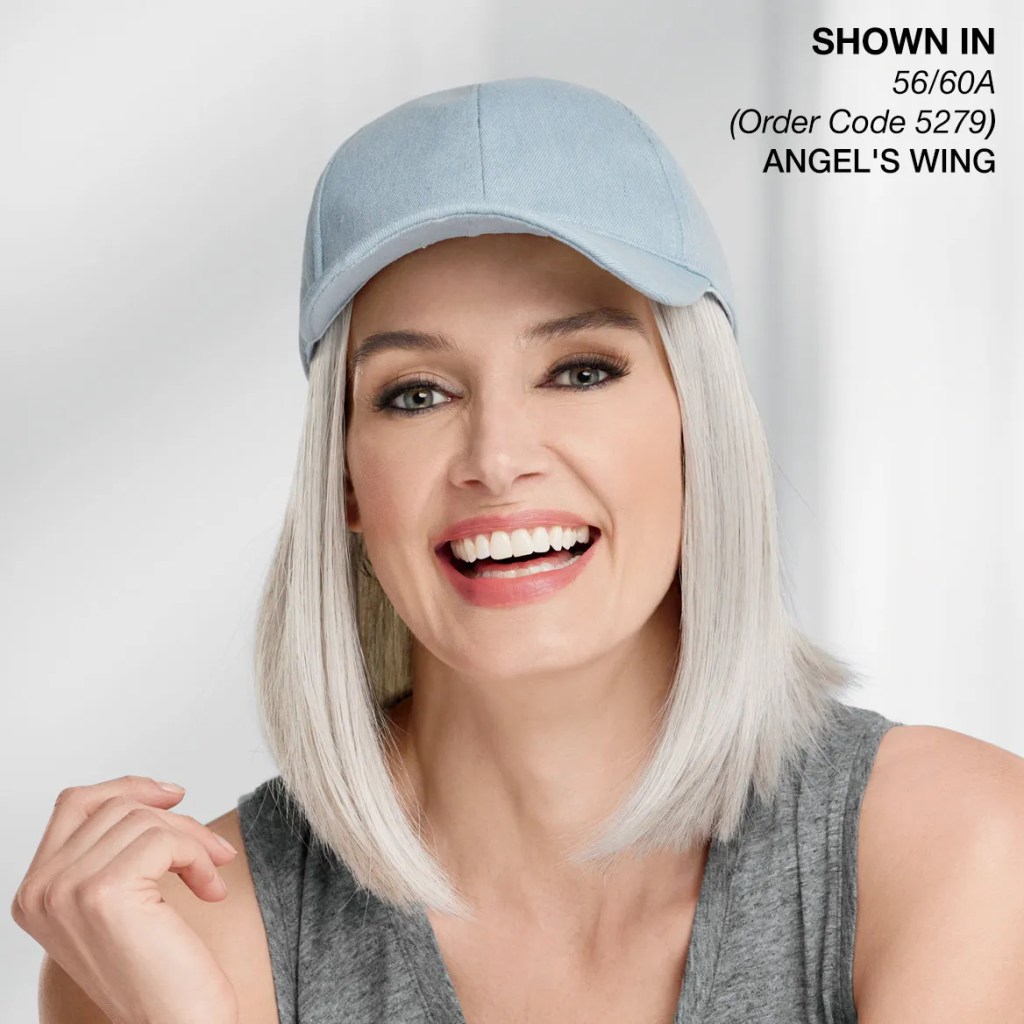
Paula Young VersaFiber Long Topper

Why Wigs Are More Than a Cosmetic Choice

There is a persistent misconception that wearing a wig is purely about vanity. For women experiencing hair loss, the truth is far more meaningful.

A wig is a tool for reclaiming normalcy. Research has consistently shown that hair loss significantly impacts self-esteem, mental health, and quality of life, particularly for women. A study published in the Journal of the American Academy of Dermatology found that women with hair loss reported significantly higher rates of anxiety and depression compared to the general population.

A well-fitted wig does not just cover hair loss. It restores a sense of control during a time when so much feels out of your hands.

For women going through chemotherapy, having a wig ready before treatment begins can make the transition far less jarring. For women with alopecia or chronic thinning, a quality wig means not having to think about hair loss every single morning. That mental relief is not a small thing.

Wigs today are also nothing like the stiff, obvious hairpieces of decades past. Modern options are lightweight, breathable, and styled to look completely natural, which is exactly where Paula Young comes in.

What Makes Paula Young a Smart Choice for Women with Hair Loss

Paula Young has been helping women find wigs that fit their lives, not just their heads, for decades. The range is built with real women in mind, including women who are navigating hair loss for the very first time and have no idea where to start.

A Style for Every Need

Not all hair loss looks the same, and not all women want the same solution. Paula Young offers:

  • Synthetic wigs: Affordable, low-maintenance, and pre-styled so they look great right out of the box. A strong choice for women who want an easy everyday option during treatment or recovery.

  • Human hair wigs: Maximum versatility. You can wash, dry, and style them just like natural hair, ideal for women who want the most realistic look and feel.

  • Toppers and hairpieces: For women with partial thinning who want to add volume and coverage without a full wig. A great entry point if you are not ready to commit to a complete style change.

  • Petite-fit options: Designed for smaller head sizes, because comfort and a secure fit matter enormously when you are wearing a wig daily.
Paula Young Synthetic Madeline Wig for hair loss awareness month

Accessible Pricing Without Compromising Quality

One of the most stressful parts of hair loss, especially during cancer treatment, is the cost. Medical bills pile up, and spending hundreds of dollars on a wig can feel impossible.

Paula Young keeps pricing accessible. Many styles start well under $50, and the quality does not suffer for it. Free shipping is available on orders over $69, so you can try a few styles without worrying about added costs eating into your budget.

Styles That Actually Look Like You

The biggest fear most women have about wigs is looking like they are wearing a wig. Paula Young’s collections are designed with natural movement, realistic hairlines, and rooted color options that mimic how real hair grows in. Celebrity-inspired lines, including the Jaclyn Smith collection, offer sophisticated, polished styles for women who want something that feels put-together without looking overdone.

The goal is simple: you should look in the mirror and see yourself, just on a better hair day.

Tips for Choosing Your First Wig

If you have never shopped for a wig before, the options can feel overwhelming. Here is a simple framework to help you start:

  1. Start with your lifestyle. If you want something you can grab and go, synthetic is your friend. If you want maximum styling flexibility, look at human hair.

  2. Consider your timeline. If you are starting chemo soon, order early. Hair loss from chemotherapy typically begins within two to four weeks of the first treatment, so having your wig ready in advance makes the transition smoother.

  3. Measure your head. A proper fit is everything. Paula Young provides sizing guidance to help you find a cap that sits securely and comfortably.

  4. Order more than one style. Wigs are affordable enough that having a couple of options, a casual everyday style and something a bit more polished, is entirely realistic.

  5. Give yourself grace. Finding the right wig might take a try or two. That is completely normal, and it does not mean the process is not worth it.

You Deserve to Feel Like Yourself

Hair Loss Awareness Month is a reminder that this experience is shared by millions of women, and that asking for help, or simply finding a solution that works for you, is not weakness. It is self-care in the most practical sense.

Whether you are newly diagnosed, mid-treatment, or have been managing hair loss for years, a quality wig can give you back something that feels irreplaceable: a morning routine that does not start with loss.

Browse Paula Young’s full collection at paulayoung.com and find the style that helps you feel like you again.

Frequently Asked Questions

What is Hair Loss Awareness Month?

Hair Loss Awareness Month is observed every August to reduce stigma around hair loss, raise public awareness, and connect people with resources and solutions. For women specifically, it is a reminder that hair loss is common, valid, and something you do not have to navigate alone, whether it stems from chemotherapy, alopecia, menopause, or natural thinning.

Can I wear a wig during chemotherapy?

Yes, and many oncologists actually recommend having a wig ready before treatment begins. Hair loss from chemotherapy typically starts within two to four weeks of the first session, so ordering early gives you time to find a style you love before the change happens. Lightweight, breathable caps and soft-lined wigs are especially comfortable for sensitive scalps during treatment.

What is the difference between a synthetic wig and a human hair wig?

Synthetic wigs are pre-styled, low-maintenance, and more affordable, making them a great choice for everyday wear during treatment or recovery. Human hair wigs offer the most natural look and feel, and can be washed, dried, and heat-styled just like your own hair. If you are new to wigs, synthetic is usually the easier starting point, and you can always upgrade to human hair as you get more comfortable.

Best Headband Hair Pieces for Thin Hair (and What to Look for Before You Buy)

If you have thinning hair, you already know the challenge: most wigs are designed for a full head of hair, which means they can look bulky, sit awkwardly, or feel heavy in ways that draw attention rather than deflect it. Headband wigs are a genuinely smart solution, especially the Best Headband Hair Pieces for Thin Hair, but not all of them are created equal for fine or thinning hair.

The right headband wig can give you a full, natural look without any clips, glue, or pressure on fragile strands. The wrong one can look stiff, feel uncomfortable, or add so much volume that it looks nothing like your natural style.

Here’s what actually matters when you’re shopping for one, plus a few styles worth considering.

What to Look for in finding the Best Headband Hair Pieces for Thin Hair

Not every headband wig is built with thin or thinning hair in mind. These are the features that actually make a difference.

Lightweight fiber

Heavy wigs put pressure on the scalp and can accelerate shedding in already fragile areas. Look for ultra-lightweight synthetic fiber, like WhisperLite, which is specifically designed to feel almost weightless on the head. A lighter wig also moves more naturally, which goes a long way toward looking like your own hair.

A secure but gentle fit

Traditional wigs often rely on clips or combs that grip the hair. For thin hair, that grip can cause breakage. A headband wig eliminates most of that problem since the headband itself anchors the style, but you’ll still want a cap with a comfortable, adjustable fit. A velvet wig grip or headband underneath adds extra security without pulling on delicate strands.

Medium density, not maximum volume

It sounds counterintuitive, but a very dense wig often looks less natural on someone with fine hair, because the contrast between the wig’s fullness and your natural hairline is too obvious. A medium-density style blends more believably and flatters a wider range of face shapes.

A breathable cap

If you’re wearing a wig daily or for long stretches, cap construction matters. Breathable caps, especially those with open wefting or a monofilament top, reduce heat buildup and keep the scalp comfortable. The COOLCAP WhisperLite construction is worth looking for specifically, as it wicks moisture and allows air to circulate.

Best Styles to Consider

These picks each bring something specific to the table for women with thinning hair.

StyleHair TypeWeightBest For
Braided Headband with HairWavy, mid-length (8.5″)3.3 ozThe most thin-hair-friendly pick: no combs, attaches via the headband only, and the lighter weight won’t pull on fragile strands
Braid Headband Long CurlsCurly, long (15″)5.8 ozGreat volume and drama; uses a front comb, so you’ll want a little existing hair to anchor it securely
Double Braid Headband with HairStraight, long (14.5″)4.9 ozSleek and polished; front-and-back combs provide a secure hold, but work best when you have enough hair to grip

A note on the Easy Bang Clip-On: If you want to add a fringe to your headband look, the Easy Bang Clip-On Hair Piece is a lightweight add-on (just 0.5 oz) that attaches with three small clips. It’s not a headband piece on its own, but it pairs beautifully with any of the styles above if you want a fringe without cutting your hair.

A note on length: shorter and medium styles tend to work best as headband wigs for thin hair. They’re lighter, easier to manage, and the headband anchors them more securely than it would a longer, heavier style.

Hat Hair Piece

Tips for Wearing a Headband Wig with Thin Hair

Getting the look right is partly about the wig and partly about how you wear it.

  • Use a wig liner or grip underneath. A bamboo wig liner or velvet grip keeps the wig from shifting without adding tension to your natural hair.

  • Tuck in any remaining hair carefully. If you have some hair left, tuck it flat and evenly so there are no bumps under the cap that could affect how the wig sits.

  • Choose a headband that blends. Velvet and fabric headbands in neutral or hair-matching tones look the most seamless. Avoid anything stiff or overly decorative if you want a natural result.

  • Don’t overtighten. A snug fit is good; pulling is not. Adjust the cap straps so the wig sits securely but not so tight that it puts pressure on the scalp.

The goal is a style that looks effortless, because for women dealing with hair loss, confidence shouldn’t require a complicated routine.

Ready to Find Your Style?

The best headband wig for thin hair is one that feels like nothing is there, looks like it’s always been yours, and takes less than two minutes to put on. Browse the full collection of lightweight WhisperLite wigs at Paula Young and filter by length and style to find your match. If you’re not sure where to start, the beauty tips and styling guide is a great resource for narrowing it down.

Synthetic Braided Headband with Hair - Best headband hair pieces for thin hair

Frequently Asked Questions

Can I wear a headband hair piece if I have very little hair left?

Yes, with the right style. The Braided Headband with Hair is the best option for minimal hair because it attaches via the headband only, with no combs or clips required. Styles like the Double Braid and Long Curls use front or back combs, which need a bit of existing hair to grip securely, so they work better if you still have some coverage to anchor them.

How do I keep a headband hair piece from slipping?

A velvet wig grip or bamboo wig liner worn underneath creates friction between the piece and your scalp, which dramatically reduces shifting without putting any tension on fragile strands. If the piece has an adjustable strap, snug it down until the fit feels secure but not tight.

Will a headband hair piece damage my thinning hair?

Not if you choose the right one and wear it correctly. Avoid styles with multiple combs if your hair is very fine or fragile, and never overtighten the cap straps. The lighter the piece (the Braided Headband at 3.3 oz is the lightest of these four), the less strain on your scalp. Giving your scalp a break overnight and using a gentle liner during the day keeps things comfortable long-term.

Best Short Wigs for Women That Look Realistic (and How to Spot One)

If you’ve ever ordered a short wig online and thought, “this looks nothing like hair,” you’re not alone. The difference between a wig that gets compliments and one that stays in a drawer comes down to a few specific features, and once you know what to look for, shopping gets a lot easier.

I’ve put together this guide to walk you through exactly what makes a short wig look realistic, then share some of my favorite styles worth trying.

The good news: You don’t need to spend a fortune or fuss with daily styling to get a natural look. The right short wig can go on in minutes and hold its shape all day.


What are the best short wigs for women that look realistic?

Short wigs are actually low-maintenance compared to longer styles. A few things help: store the wig on a wig stand when you’re not wearing it so it holds its shape, use a wig-specific brush or wide-tooth comb to refresh the style, and avoid cotton pillowcases if you nap in it (satin is better). For synthetic wigs, a light spritz of wig-safe conditioning spray keeps the fiber looking fresh between washes.


What Actually Makes a Short Wig Look Realistic

Not all wigs are created equal, and the features that separate a convincing style from an obvious one are pretty consistent. Here’s what to pay attention to before you buy.

Cap Construction Matters More Than You Think

The cap is the foundation of the whole look. A basic open-cap wig can feel thin and flat at the crown, which is the first thing people notice. Look for these instead:

  • Hand-tied or monofilament tops: Each fiber is individually knotted to a sheer base, so the hair moves freely and the “scalp” underneath is visible. This is the single biggest realism upgrade you can make.

  • Lace front: A sheer lace panel along the hairline lets you wear the wig slightly off your forehead without a hard edge showing. It’s a game-changer for short styles where the hairline is very visible.

  • Open ear tabs: A small detail, but it keeps the wig sitting naturally against the side of your face rather than sticking out.

Fiber Type and Texture

Short wigs are often synthetic, and that’s completely fine. Modern synthetic fibers like WhisperLite are lightweight, pre-styled, and hold their shape without any heat tools. The key is to avoid fibers that look overly shiny, since that plastic sheen is what gives away a wig immediately.

What to look for:

  • A matte or low-luster finish that mimics real hair

  • Layering and texture built into the cut (flat, blunt cuts look less natural)

  • Rooted color, where the color is slightly darker at the base and lighter at the ends, just like natural hair growth

The Cut Itself

Short wigs with movement are more convincing than stiff, uniform styles. Pixie cuts, layered bobs, and wavy crops all have built-in texture that makes them look like they grew that way. A wig that’s been cut with razor-like layers has dimension; a wig that’s been cut blunt all around looks like a helmet.

Best Short Wigs That Actually Look Like Real Hair

Here are some standout styles worth looking at, organized by what kind of everyday look you’re going for.

For a Classic, Polished Short Style

The Andie WhisperLite Short Straight Wig is a clean, professional cut that sits just below the ears. The WhisperLite fiber keeps it featherlight, and the layering around the face gives it that “just styled” look without any effort on your part. It’s the kind of wig you put on and forget about.

Best short wigs for women that look realistic-  Andie Wig

Similarly, the Danielle WhisperLite Short Straight Wig offers a chic, low-maintenance cut with soft movement at the ends. Great if you want something polished but not stiff.

For a Textured, Lived-In Look

If you want something that looks like you just stepped out of a salon with a fresh blowout, wavy short wigs are your best bet.

Paula Young Whisperlite Danielle Wig

For a Bold Pixie Cut

Pixie wigs can look surprisingly realistic because the short layers and exposed neckline mimic how a pixie actually grows. The Evie WhisperLite Short Pixie Wig is a great example: a chic, effortless cut with just enough texture at the crown to look like your own hair.

The Freesia WhisperLite Short Pixie Wavy Wig adds soft waves to the pixie shape, which gives it extra dimension and makes it look even more natural.

For Maximum Realism: Hand-Tied Construction

If realism is the top priority, look at the Couture Whisperlite Sheer Satisfaction Wig. This short style features 100% hand-tied construction, meaning every single fiber is tied by hand to a sheer base. The result is a wig that moves, parts, and sits exactly like natural hair. It’s the closest you’ll get to the real thing in a synthetic style.

Quick Guide: Matching the Wig to Your Needs

Still deciding? Here’s a simple breakdown:

If you want…Look for…Try this style
Polished and professionalShort straight, layered cutAndie or Danielle
Natural, effortless textureShort wavy with soft layersColleen or Jocelyn
Low-maintenance and boldPixie cut with built-in textureEvie or Freesia
The most realistic optionHand-tied monofilament capSheer Satisfaction
Heat-styling flexibilityVersaFiber synthetic fiberDahlia or Mya

Browse the full short wigs collection to filter by cap construction, fiber type, and length.

One Last Thing Before You Buy

Color is often the overlooked factor. A wig in a flat, single-tone color can look artificial even if the cut and cap are perfect. Look for rooted shades, where the color deepens slightly at the part and root line, or highlighted styles with subtle variation throughout. That depth is what makes hair look dimensional and alive.

If you’re new to wigs or switching from a longer style, short wigs are actually one of the easiest places to start. They’re lighter, cooler, and faster to put on. And with the right cap and fiber, most people around you simply won’t know.

Ready to shop? Start with the short wigs collection and use the filters to narrow by cap type. If you want the most natural look with no fuss, filter for hand-tied or lace front styles first.

What is the most natural-looking cap construction for a short wig?

Hand-tied monofilament is the gold standard. Each fiber is individually knotted to a sheer base, so the hair moves freely and the scalp underneath is visible. This makes the wig look like hair growing directly from your head. Lace front caps are a close second, especially for short styles where the hairline is prominently visible.

Do synthetic short wigs look as realistic as human hair wigs?

They can, yes. The key is fiber quality and finish. Modern synthetic fibers like WhisperLite are lightweight, matte, and pre-styled to hold their shape without heat tools. The styles that look most realistic have rooted color, layered cuts, and a low-luster finish. The main trade-off is that synthetic wigs can’t be heat-styled the way human hair can, but for everyday wear, a quality synthetic short wig is hard to tell apart.

best wig websites

Daily Wig Care: The Simple Routine That Keeps Your Wig Looking Fresh Every Day

If you wear your wig every single day, you already know the struggle: by mid-week it looks a little flat, a little dull, and nothing like it did on day one. The good news? Keeping it fresh doesn’t require a lot of time or a shelf full of products. It just requires the right routine.

Here’s the daily wig care system I swear by, broken into three simple stages: before you put it on, after you take it off, and wash day.

The payoff: a wig that looks salon-fresh well past the first week, and a longer lifespan so you get more out of every style you love.

Before You Put It On (2 Minutes, Every Morning)

This is the step most people skip, and it’s the reason wigs start looking tired faster than they should.

Give It a Quick Refresh

Before placing your wig on your head, hold it at the crown and give it a gentle shake to revive the fibers. For synthetic wigs especially, this resets the shape after a night on the stand. If it looks a little limp, a light mist of water (just a few spritzes from a spray bottle) brings the style right back without any fuss.

Prep Your Head First

Your natural hair and scalp can affect how your wig sits and how long it stays fresh. A quick prep makes a real difference:

  • Secure your natural hair flat under a wig liner cap before putting on your wig. This prevents lumps and helps the wig sit evenly.

  • If your scalp tends to get oily, a thin cotton liner also absorbs moisture throughout the day, which means less buildup transferred to your wig fibers.

  • Center the wig using the ear tabs as your guide, then adjust the Velcro tabs for a snug, secure fit.

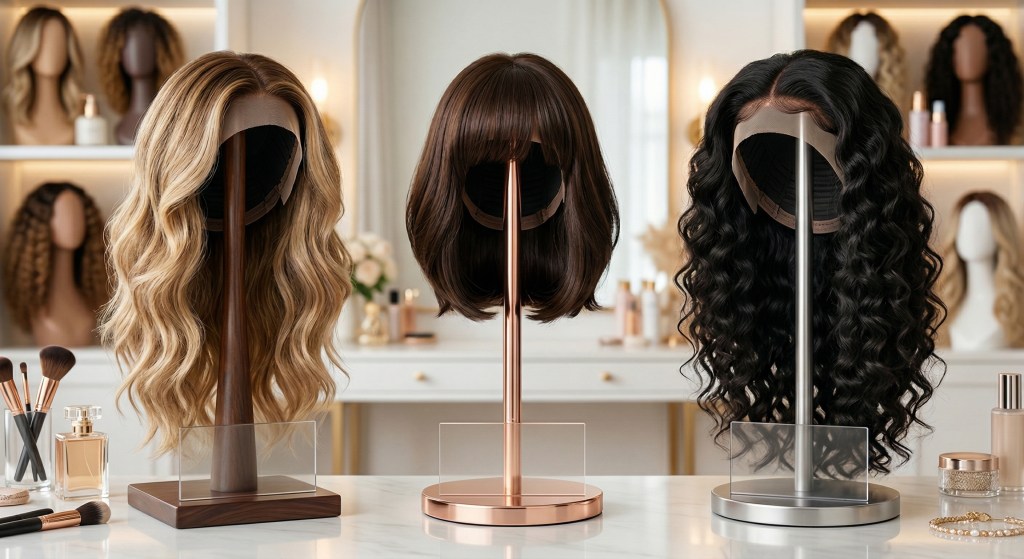
Quick tip: Store your wig on a styrofoam styling head overnight. It holds the shape so your morning shake-out takes seconds, not minutes.

Styrofoam Styling Head

After You Take It Off (5 Minutes, Every Evening)

What you do in those five minutes after removing your wig determines how it looks tomorrow, and the day after that.

Detangle Before You Store

Never put a tangled wig away and hope for the best. Take a wide-tooth comb or a wig brush and work through it from ends to roots, not the other way around. Starting at the roots puts stress on the fibers and causes breakage over time.

For curly styles, skip the brush entirely. Use your fingers or a pick comb to gently separate the curls, then leave them alone.

A Quick Spritz Goes a Long Way

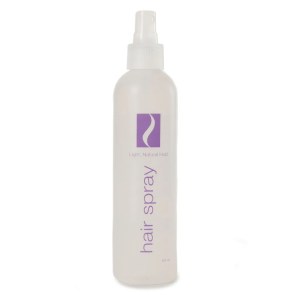
Once it’s detangled, a light mist of wig hair spray helps the fibers hold their shape overnight and protects against humidity the next day. You don’t need much. Two or three spritzes from about 12 inches away is plenty.

Paula Young Wig Hair Spray

Store It Right

Do ThisAvoid This
Place on a styrofoam head or wig standStuffing it in a drawer or bag
Keep in a cool, dry spotStoring near heat sources (radiators, sunny windowsills)
Cover loosely with a hairnet for long stylesLeaving it exposed to dust

A wig that’s stored properly takes about 30 seconds to style in the morning. One that’s been crumpled in a bag? That’s a whole different situation.

Wash Day: How Often and How to Do It Right

If you wear your wig daily, wash day comes around every 7 to 10 days. According to Cleveland Clinic’s wig care guide, daily wearers should wash their synthetic wig more frequently than the standard “once a month” recommendation, with 7 to 10 wears being the practical sweet spot. Wash it less than that and product buildup dulls the fibers. Wash it more and you’re shortening its lifespan unnecessarily. That sweet spot keeps things looking clean without wearing out the fibers.

The Wash Routine (Step by Step)

  1. Fill a basin with cool water and add a capful of wig shampoo. Never use regular shampoo; the formulas are too harsh for synthetic fibers and will strip them.

  2. Gently submerge the wig and let it soak for 5 minutes. No scrubbing, no wringing, no rubbing. Just let the water do the work.

  3. Rinse thoroughly in cool water until the water runs clear. Warm or hot water can alter the style permanently on synthetic wigs.

  4. Press (don’t squeeze) with a towel to remove excess water, then place it on a wire drying stand or your styrofoam head to air dry completely.

  5. Once dry, spritz with conditioner to restore softness and body.

Important: Never use a blow dryer on a synthetic wig. Heat is the number one enemy of synthetic fibers. If you have a VersaFiber heat-resistant wig, low heat is fine, but always check the label first.

Human Hair Wigs: A Small Difference

If you wear a human hair wig, the process is nearly identical, but you can use a slightly warmer rinse and a moisturizing conditioner. Human hair needs that hydration to stay manageable. Air drying is still the gentlest option, though low heat on a diffuser is acceptable.

The bottom line on wash day: keep it simple, keep it cool, and let it dry completely before storing or wearing again.

One Bonus Tip That Changes Everything

Own at least two wigs and rotate them.

This single habit extends the life of both wigs significantly. Wearing the same wig seven days a week puts constant stress on the fibers, the cap, and the style. Rotating two wigs gives each one a full rest day between wears, and it cuts your wash-day frequency in half per wig.

It also means you always have a backup ready when one is drying. No more waiting around for wash day to be over before you can leave the house.

Browse Paula Young’s full wig collection to find a second style you love, whether that’s a short everyday option or something a little different for the weekends. Your wigs will thank you for it.


How often should you wash a wig if you wear it every day?

Most daily wig wearers should wash their wig every 7 to 10 wears. That keeps product buildup under control without over-washing the fibers. If your wig starts looking dull, feels sticky, or loses its shape sooner, it may be time for a wash.

What should I do before putting on my wig each morning?

Start by gently shaking out the wig, then smooth your natural hair flat under a wig liner cap. Center the wig using the ear tabs and adjust the fit so it feels secure. A quick refresh in the morning helps the style look fuller and more natural.

What is the best way to store a wig overnight?

Store your wig on a styrofoam head or wig stand in a cool, dry spot. That helps preserve the shape and makes the next morning easier. Avoid crumpling it in a drawer or bag, which can flatten the style and create tangles.

Looking for Affordable Wig Toppers for Thinning Hair? Here’s What Actually Works

If you’ve noticed your part getting wider or your crown looking a little sparse, you’re not alone. Thinning hair at the top of the head is one of the most common concerns women share with us, and the good news is you don’t need to spend a fortune to do something about it. Consider exploring wig toppers for thinning hair as an effective solution.

A wig topper (also called a wiglet or hair topper) is one of the smartest solutions out there for thinning hair. It adds volume and coverage exactly where you need it, while your own hair takes care of the rest. No full wig required.

The real challenge? Finding one that looks natural, stays put, and doesn’t blow your budget. That’s exactly what this guide is here to help with.

When looking for options, remember that wig toppers for thinning hair can provide a natural look without the commitment of a full wig.

What Is a Wig Topper (and Is It Right for You)?

Exploring Wig Toppers for Thinning Hair

A wig topper is a small hairpiece designed to cover thinning areas at the crown, part line, or top of the head. Think of it as a targeted solution rather than a full replacement. It clips into your existing hair and blends with it, so the overall effect looks completely natural.

You might be a great candidate for a topper if:

  • Your thinning is concentrated at the top, part, or crown (not all over)

  • You still have enough hair around the sides and back to hold clips

  • You want to keep your own hair and just fill in the thin spots

  • A full wig feels like more coverage than you actually need

If your thinning is more widespread or your hair is very fine all over, a lightweight full wig might actually be the easier, more comfortable choice. But for most women dealing with early to moderate thinning at the top, a topper is the sweet spot.

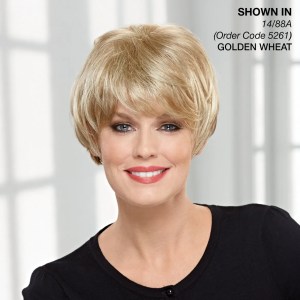
Paula Young Whisperlite Short-Length Topper

What to Look for When Shopping on a Budget

Affordable doesn’t have to mean disappointing. The key is knowing which features actually matter for a natural look and which ones you can skip without sacrificing quality.

Base Size: Match It to Your Coverage Area

Before anything else, measure the area you want to cover. A soft measuring tape works perfectly. The topper’s base should be at least 1 inch larger than your thinning zone on each side, so it has room to blend into your surrounding hair rather than sitting right on the edge of it.

Toppers generally come in three sizes:

SizeBest For
SmallThin part line or minor crown thinning
MediumModerate crown or top-of-head coverage
LargeMore advanced thinning across the top

Fiber Type: Synthetic vs. Human Hair

This is where budget decisions really come into play. Here’s the honest breakdown:

  • Synthetic toppers are significantly more affordable and hold their style without any effort. They’re a great starting point, especially if you’re new to toppers. The trade-off is you can’t use heat tools to restyle them (unless the fiber is labeled heat-friendly).

  • Human hair toppers look and feel the most natural, and you can style them just like your own hair. They cost more, but for women who want maximum realism, they’re worth the investment.

Pro tip: If budget is a priority, start with a quality synthetic topper in a style close to your natural hair texture. You’ll be surprised how natural it looks.

Color Matching: The Detail That Makes or Breaks It

The closer your topper color is to your own hair, the more seamlessly it blends. Don’t just go by the name of the color shade. Look at actual photos in natural lighting, and when in doubt, go slightly lighter rather than darker. Lighter shades blend more forgivingly at the edges.

Clip Security

Good toppers use pressure-sensitive clips that grip your hair without pulling or damaging it. Check that the topper you’re considering has clips positioned to anchor at your specific thinning zone, not just at the front.

Our Wiglet Collection: Toppers Made for Thinning Hair

At Paula Young, we’ve been helping women navigate hair thinning for decades, and our wiglet collection was built specifically for this. A wiglet is our version of a hair topper: a small, targeted hairpiece that clips in at the crown or top of the head to restore volume and coverage exactly where you need it.

We offer wiglets in both synthetic and human hair options, so you can choose based on your budget and how you like to style your hair.

  • Crowning Touch WhisperLite Wiglet – A wavy synthetic wiglet made with our ultra-lightweight WhisperLite fiber. It’s one of our most popular options for women who want natural-looking volume at the crown without a heavy feel.

  • Crowning Touch Human Hair Wiglet – The same targeted coverage in real human hair. Style it with heat tools to blend perfectly with your own hair.

  • Delicate Touch WhisperLite Wiglet – A wavy synthetic option with a slightly different base shape, ideal for women who need coverage that extends a little further toward the hairline.

  • Delicate Touch Human Hair Wiglet – Our premium human hair version for those who want the most realistic result possible.

All of our wiglets are designed to clip in securely without damaging your existing hair, and they come in a wide range of shades to help you find your closest match.

How to Get the Most Natural Look from Your Topper

Even the best topper needs a little technique to look seamless. These small steps make a noticeable difference:

  1. Tease the attachment area first. Lightly backcomb the hair where the clips will sit. This gives the clips something to grip and keeps the topper from shifting throughout the day.

  2. Anchor the front clip first. Position the topper where you want it, then secure the front clip as your anchor point. Work your way back from there.

  3. Blend the edges with your fingers or a wide-tooth comb. Gently work your natural hair into the topper at the perimeter so there’s no visible line between the two.

  4. Consider a trim. If you want the most seamless result possible, a stylist experienced with hairpieces can cut the topper into your natural hair so the two truly look like one.

The first time you put a topper in, it might take 10 minutes. After a week of practice, most women get it down to under two.

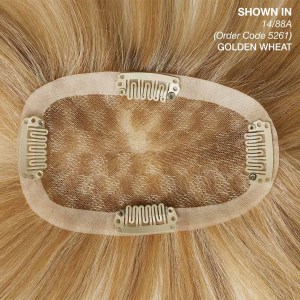
hair piece clips

Frequently Asked Questions

What is the difference between a wig topper and a wiglet?

A wig topper and a wiglet are essentially the same thing: a small hairpiece that clips onto the top of the head to add volume and coverage over thinning areas. The terms are often used interchangeably. Some retailers use “topper” to describe slightly larger pieces and “wiglet” for smaller ones, but there is no universal standard. Both are designed to blend with your existing hair and cover thinning at the crown, part line, or top of the head without requiring a full wig.

How do I choose the right size wig topper for thinning hair?

To choose the right size, measure the widest part of your thinning area with a soft measuring tape. Your topper’s base should be at least 1 inch larger than that measurement on each side. A base that is too small will not fully cover the thinning area, while one that is too large may be difficult to blend with your natural hair. When in doubt, size up rather than down, as a slightly larger base gives you more flexibility in placement and blending.

Are affordable synthetic wig toppers worth buying?

Yes, affordable synthetic wig toppers can look very natural and are a practical choice for many women. High-quality synthetic fibers, like WhisperLite, are lightweight, hold their style without daily effort, and come in a wide range of realistic colors. The main limitation is that standard synthetic toppers cannot be restyled with heat tools. If you want the flexibility to curl or straighten your topper to match your own hair, look for a heat-friendly synthetic or invest in a human hair option. For women new to toppers, a quality synthetic is an excellent and budget-friendly starting point.

Thinning hair at the top doesn’t have to define how you look or feel. A well-chosen topper can restore your confidence quickly, without a big price tag or a complicated routine. Start with the right base size, find a color that’s close to your natural shade, and give yourself a few days to get comfortable with the application. Most women are genuinely surprised by how natural the result looks.

Ready to find yours? Browse our full wiglet collection at Paula Young and use our color guide to narrow down your perfect match.

Bob Wigs With Bangs: Reviews, Recommendations, and How to Pick the Most Flattering One

Bob wigs with bangs are one of the most flattering wig styles out there, and for good reason. Bangs soften the forehead, the bob frames the jaw and cheekbones, and together they create a face-framing effect that works across a wide range of face shapes.

Quick answer: Yes, bob wigs with bangs are flattering on most women. The key is matching the bang shape and bob length to your face shape and daily routine. Full brow-skimming bangs suit oval and heart-shaped faces best; side bangs open up rounder or square face shapes. Either way, the effect is polished, natural-looking, and easy to wear.

This guide skips the generic wig roundups. Instead, it reviews three specific Paula Young bob wigs with bangs and tells you exactly who each one suits best.

What to Look for in a Bob Wig With Bangs

Before you shop, three things determine whether a bob wig with bangs will actually work for you:

  • Face shape fit. Chin-length bobs with full bangs create a very different effect than mid-length bobs with side bangs. Think about whether you want to minimize forehead width, add cheekbone definition, or soften a strong jawline.

  • Lifestyle fit. If you wear your wig daily, a lightweight cap with low-maintenance fiber matters more than you’d think. Styles that need frequent restyling can feel like a chore fast.

  • Bang shape. Brow-skimming bangs emphasize the eyes and create a more polished look. Side bangs are softer and more open, which suits women who want a relaxed, natural frame rather than a dramatic one.

Get those three right and the rest takes care of itself.

Best Paula Young Bob Wigs With Bangs: Matched by Face Shape and Lifestyle

Here are three strong picks from the Paula Young bob collection, each suited to a different look and lifestyle.

WigBang StyleBob LengthBest For
Heart of Gold WhisperLite ComfortBrow-skimming, fullChin-lengthOval/heart faces; polished everyday wear
COOLCAP WhisperLite RipleyFeathery, brow-skimmingChin-length with soft wavesAll-day comfort; warm climates; active lifestyles
COOLCAP WhisperLite RowanSide-swept, face-framingMid-length with razored layersRound/square faces; relaxed, low-key style

Comfort: The Classic Choice

The Comfort wig is a chin-length bob with lush straight layers and full brow-skimming bangs. It’s structured, polished, and does the heavy lifting for you. If you want a bob that looks intentional and put-together without any extra effort, this is the one. Works especially well on oval and heart-shaped faces where the full bang creates symmetry across the forehead.

Heart of Gold Whisperlite Comfort Wig

Ripley: The Comfort-First Pick

The Ripley brings feathery brow-skimming bangs and subtly waved layers in a breathable COOLCAP construction. It’s the pick for women who wear their wig all day and want it to feel as light as it looks. The soft wave adds movement without needing any styling, and the COOLCAP keeps things comfortable even in warmer weather.

Rowan: The Relaxed Bob

The Rowan is a mid-length bob with razored layers and side-swept bangs. Where Comfort is polished and Ripley is soft, Rowan is breezy. The side bangs open up the face rather than framing it squarely, which makes it especially flattering on rounder or wider face shapes. Also a great option if full bangs feel like too much commitment.

COOLCAP WhisperLite Rowan Wig

Bonus pick: If you prefer a sleeker silhouette, the Salem VersaFiber wig offers a classic bob with notched, lash-skimming bangs and curled-under ends for a more refined finish.

My Recommendation if You Want the Easiest Place to Start

If you’re not sure where to begin, here’s the short version:

  • Start with Comfort if you want a classic, no-fuss bob with full bang coverage and a polished shape right out of the box.

  • Choose Ripley if all-day wearability is your priority, especially if you run warm or want a softer, wavier texture.

  • Go with Rowan if you prefer a more relaxed bob with side bangs and a breezier, less structured feel.

Any of the three is a solid starting point. Browse the full Paula Young bob wigs with bangs collection to see all available colors and styles for each.

FAQs About Bob Wigs With Bangs

Do bob wigs with bangs look good on older women?

Yes. Bob wigs with bangs are actually one of the most flattering styles for mature women because the combination softens facial lines and creates a youthful, put-together frame. Wispy or feathery bangs, like those on the Ripley, tend to look especially natural rather than heavy or severe.

Which bob wig with bangs is best for beginners?

The Heart of Gold WhisperLite Comfort is the easiest starting point. It has a classic shape that requires no styling, full brow-skimming bangs that sit naturally, and a structured silhouette that looks polished right out of the box. As the Paula Young beginner bob wig guide notes, bob wigs with bangs are among the most natural-looking and low-effort styles to wear.

How do I choose between full bangs and side bangs?

Full bangs work best if you want to minimize a larger forehead or create strong symmetry, particularly on oval and heart-shaped faces. Side bangs are better if you want a softer, more open frame or if full bangs feel like too bold a commitment. When in doubt, side bangs are the more versatile and forgiving option for first-time wearers.

petite hair wigs

Petite Hair Wigs: How to Find the Perfect Fit for a Smaller Head

If you’ve ever tried on a wig that looked perfect in the photo but sat too high on your forehead or slipped at the temples, your head size is probably the culprit. Most wigs are built for an average cap circumference of 21.5″ to 22.5″. If your head measures smaller than that, a standard wig will never quite sit right, no matter how much you fiddle with the straps.

That’s where petite hair wigs come in. A petite cap is proportionally scaled for a smaller head, so the hairline falls where it’s supposed to, the temples lie flat, and the nape doesn’t bunch or gap. Whether you prefer human hair or a low-maintenance synthetic style, there’s a petite wig built for your head.

The key number: A petite cap fits a head circumference of 20.5″ to 21.5″. If you fall in that range, shopping specifically for petite wigs is the most important step you can take toward a natural, secure fit.

In this guide, I’ll walk you through how to measure correctly, what to look for when choosing between human hair and synthetic petite wigs, how to care for your wig, and answers to the questions I hear most from shoppers with smaller heads.

petite wig - Paula Young Celebrity Wig

How to Measure for a Petite Wig Cap

Before you shop, grab a soft measuring tape and spend two minutes on this. It will save you from ordering the wrong size.

The 3 Measurements That Matter

  1. Circumference: Wrap the tape around your head, starting at your natural hairline at the forehead, going just above your ears, and ending at the nape of your neck. This is your most important number.

  2. Front to nape: Measure from your hairline at the forehead, over the crown, straight down to the nape.

  3. Ear to ear (across the top): Measure from just in front of one ear, over the top of your head, to just in front of the other ear.

What Your Numbers Mean

Cap SizeCircumference
Mini Petite20.5″ or under
Petite20.5″ – 21.5″
Average21.5″ – 22.5″
Large22.5″ – 23.5″

If your circumference lands between 20.5″ and 21.5″, you’re a petite. Under 20.5″? Look specifically for mini petite styles. Paula Young carries both petite wigs and mini petite wigs so you’re not stuck trying to force an average cap to work.

Pro tip: Most wigs have adjustable straps at the nape that allow about a half-inch of give. If your measurement falls right at the border between two sizes, go with the petite and use the straps to fine-tune the fit.

Human Hair vs. Synthetic: Which Petite Wig Is Right for You?

Once you know your cap size, the next decision is fiber type. Both human hair and synthetic petite wigs have real advantages, and the right choice depends on your lifestyle, budget, and how much time you want to spend on styling.

Human Hair Petite Wigs

Human hair wigs move, reflect light, and respond to heat tools exactly the way your natural hair does. For petite wearers, this matters especially at the hairline and temples, where the cap sits closest to your face. Any stiffness or unnatural sheen is more visible up close.

What you get with human hair:

  • Full heat styling freedom: blow dry, curl, or flat iron just like your own hair (keep tools under 350°F)
  • A flatter, more natural hairline at the temples and nape
  • The ability to be professionally colored or highlighted
  • A longer lifespan: one to three years with daily wear versus six to twelve months for most synthetic styles

Paula Young’s human hair wig collection includes styles like the Cosmopolitan and the Trista, both designed for a seamless, natural look.

Synthetic Petite Wigs

Synthetic wigs have come a long way. Today’s high-quality synthetic fibers hold their style through wash and wear, require less daily maintenance, and come at a lower price point.

What you get with synthetic:

  • Style memory built in: the wig looks the same every time you put it on
  • Easier care routine: wash, air dry, and wear with minimal restyling
  • More affordable entry point if you’re trying petite sizing for the first time
  • Wide range of colors, including rooted and highlighted options

Worth knowing: Synthetic wigs cannot be heat styled with standard tools unless the label specifically says “heat-friendly.” Always check before reaching for a curling iron.

Human HairSynthetic
Heat stylingYes (up to 350°F)Only if heat-friendly
Lifespan1–3 years6–12 months
MaintenanceHigherLower
PriceHigherMore affordable
Color optionsCan be professionally coloredFixed color, wide variety

If you’re new to petite wigs, a synthetic style is a low-risk way to confirm your sizing before investing in human hair. Browse Paula Young’s full petite wigs collection to see both fiber types side by side.

How to Care for Your Petite Wig

Proper care is what keeps a petite wig looking its best and extends its life, whether it’s human hair or synthetic. The routines are slightly different, but both are straightforward once you build the habit.

Caring for a Human Hair Petite Wig

Wash every 10 to 15 wears, not on a fixed weekly schedule. Over-washing strips moisture and shortens the cap’s life.

  1. Detangle gently with a wide-tooth comb before getting it wet.
  2. Use a sulfate-free shampoo made for human hair. Rinse in cool water.
  3. Apply a lightweight conditioner from mid-shaft to ends. Avoid the roots and cap.
  4. Gently press out excess water with a towel. Never wring or rub.
  5. Air dry on a wig stand. Never use a hair dryer on a wet human hair wig cap; heat on a wet cap can cause uneven shrinkage, especially on a petite size.

Styling: Always use a heat protectant before any hot tool. Paula Young’s Beyond Heat Protection Spray is formulated specifically for wigs. Style only when fully dry.

Caring for a Synthetic Petite Wig

Synthetic wigs need washing less frequently, roughly every 15 to 20 wears.

  1. Detangle before washing with a wide-tooth comb or wig brush.
  2. Use a shampoo formulated for synthetic fibers. Avoid regular shampoo, which can strip the coating that gives synthetic hair its sheen.
  3. Rinse in cool water and apply a synthetic-safe conditioner.
  4. Air dry on a wig stand. The style will reset as it dries.

Storage Tips for Both Types

  • Always store on a wig stand. Folding or stuffing a petite wig into a drawer distorts the cap shape over time.
  • Keep away from direct sunlight and heat vents. UV exposure fades color; heat dries out fibers.

If you travel with your wig, a wig box or breathable bag protects the style.fades color and dries out the hair fibers over time.


Frequently Asked Questions About Petite Wigs

What exactly is a petite wig, and how is it different from a regular wig?

A petite wig has a smaller cap circumference, typically 20.5″ to 21.5″, compared to an average cap that fits 21.5″ to 22.5″. The difference isn’t just overall size. Petite caps are also proportionally scaled in the front-to-nape length and ear-to-ear measurement, so the hairline sits correctly on a smaller head rather than riding too high on the forehead or gaping at the temples. If you have a smaller head and wear a standard-size wig, no amount of strap adjustment will fully correct the fit.


How do I know if a petite wig will look natural on me?

The three areas to check are the hairline, the temples, and the nape. A well-fitting petite wig should sit about a quarter inch above your natural brow bone, lay flat at the temples without any gap or lift, and taper cleanly at the nape without bunching. Human hair petite wigs naturally lie flatter against the scalp than synthetic fiber, which helps in all three areas. For extra security and a more seamless look, a velvet wig grip headband worn underneath keeps everything in place throughout the day.


Should I choose a petite or mini petite wig?

If your head circumference measures 20.5″ to 21.5″, a petite cap is your size. If it measures under 20.5″, look specifically for mini petite styles. Wearing a petite cap on a head that’s truly mini petite will still result in some gapping and slipping at the temples. Paula Young carries both petite wigs and mini petite wigs, so you can shop by your exact measurement rather than guessing.

Ready to Find Your Fit?

Petite wigs aren’t a specialty item. They’re simply the right product for anyone with a smaller head who wants a wig that actually fits the way it’s supposed to. Once you’re in the correct cap size, everything else, the style, the fiber, the color, becomes a matter of personal preference rather than damage control.

Start by measuring your head circumference, then browse Paula Young’s petite wigs to find styles in both human hair and synthetic. If you’re ready to invest in human hair, the human hair collection is a great place to explore your options. And if you have questions about styling or care, the Paula Young beauty tips guide has you covered.

Your perfect fit is one measurement away.

Best Synthetic Wigs for Everyday Wear That Look Natural

Best Synthetic Wigs for Everyday Wear That Look Natural

Finding a synthetic wig that actually looks like your own hair used to feel like a gamble. You’d order something that looked gorgeous in photos, put it on, and immediately know something was off. Too shiny. Too uniform. Too “wiggy.”

The good news? Synthetic wigs have come a long way. The right construction features, the right fiber technology, and the right style can make all the difference between a wig that screams costume and one that has people asking who does your hair.

Here’s what this guide covers:

  • The construction features that separate natural-looking wigs from obvious ones

  • Which styles work best for everyday wear

  • Top picks from our WhisperLite collection that check every box

  • Simple tips to make your synthetic wig look even more realistic out of the box

What Makes a Synthetic Wig Look Natural?

Not all synthetic wigs are built the same. The ones that look natural share a handful of key construction features. If a wig is missing most of these, it’s going to look flat and artificial no matter how pretty the color is.

Monofilament Top

A monofilament top is the single biggest upgrade you can make when shopping for a natural-looking wig. Each hair strand is individually hand-tied to a sheer mesh panel at the crown. This means the hair moves freely in multiple directions, just like real hair growing from a scalp. It also creates the appearance of an actual part line rather than a solid cap with hair attached.

Fiber Quality and Texture

The fiber is what people notice first. Lower-quality synthetic fibers have a uniform, plastic-like shine that reads as artificial under any light. Better-quality fibers, like our WhisperLite fiber, are engineered to mimic the soft matte finish of natural hair. The texture has slight variation from root to tip, which is exactly what real hair looks like.

Rooted Colors

Solid, one-tone color is one of the quickest giveaways that a wig is synthetic. Natural hair has depth: darker at the roots, lighter through the lengths, with subtle highlights mixed in. Wigs with rooted color options built into the design replicate that dimension without any extra work on your part.

Cap Construction and Fit

A wig that sits too high or doesn’t conform to your head shape will always look “placed” rather than grown. Look for:

  • Adjustable straps so you can dial in the fit

  • Lightweight cap construction that doesn’t create bulk at the hairline

  • Open wefting at the back and sides for breathability during all-day wear

A well-fitted wig moves with you, and that natural movement is a huge part of what makes it convincing.

Best Synthetic Wigs for Everyday Wear

For daily wear, you need a wig that’s easy to put on, comfortable for hours at a stretch, and convincing enough that you’re not second-guessing yourself every time you pass a mirror. These picks from our WhisperLite collection deliver on all three.

Short Styles: Easy, Polished, and Low-Maintenance

Short wigs are the most practical choice for everyday wear. They’re lighter on your head, require less styling, and tend to look the most natural because there’s less hair to manage.

WigLengthStyleBest For
Abby WhisperLiteShortStraightSleek, professional looks
Dance WhisperLiteShortWavyNatural volume, casual wear
Vikki WhisperLiteShortWavyLight, airy everyday style
Freesia WhisperLiteShort PixieWavyLow-maintenance, modern cut

The Abby is a standout if you want a clean, straight style that works equally well for errands and office days. The Dance adds just enough wave to look lived-in without requiring any effort.

Medium Styles: Versatile and Flattering

Medium-length wigs hit the sweet spot between the ease of short styles and the drama of long ones. They frame the face beautifully and work for almost any occasion.

The Ariana WhisperLite is a medium wavy style with a breathable cap that makes it genuinely comfortable for all-day wear. For something with a bit more polish, the Chantal WhisperLite delivers a sleek, straight medium length that looks freshly blown out every single time you put it on.

Paula Young Whisperlite® Ariana Wig

If you love the look of a bob, the Heart of Gold Comfort Wig is worth a serious look. It has chin-length straight layers with brow-skimming bangs and natural movement built right into the cut.

Long Styles: Glamorous Without the Upkeep

Long wigs are where synthetic fiber really earns its keep. Human hair at this length requires constant conditioning, detangling, and heat styling. A quality synthetic long wig holds its shape without any of that.

The Bindi WhisperLite gives you glamorous length with wavy texture that moves naturally and never looks stiff. For something with more romantic dimension, the Heart of Gold Hope Wig features shoulder-skimming layers of defined waves with a center part that looks completely effortless.

Paula Young Whisperlite Bindi Wig

Our pick for most natural-looking everyday wig: The Couture Sheer Satisfaction Wig is 100% hand-tied at the front, which creates the most realistic hairline of any style in our collection. If “does this look real?” is your primary concern, this is the one.

Tips to Make Your Synthetic Wig Look Even More Natural

Even the best wig benefits from a few simple tricks once it’s on your head. These don’t require any special skills, just a little know-how.

Tame the Shine

Fresh-out-of-the-box synthetic wigs can have a slightly glossy finish. A light dusting of dry shampoo at the crown breaks up that shine immediately and makes the fibers look more like real hair. Don’t overdo it; a little goes a long way.

Use a Wig Grip or Liner for a Seamless Fit

If the wig shifts even slightly during the day, it’s going to look off. A velvet wig grip keeps your wig in place without glue or tape, and a bamboo wig liner creates a smooth, breathable base underneath that prevents any bumpy hairline effect.

wig velvet grip

Let Warm Air Do the Work

If your wig has a little too much volume at the crown or the hair is falling forward, you can gently reshape it using warm air from a hair dryer on the lowest setting. Keep the dryer moving constantly and never hold it in one spot. For a non-heat-friendly synthetic, even just wearing a soft hat for an hour will train the fibers to lie flatter.

Choose the Right Color

This one sounds obvious, but it matters more than people realize. A color with built-in dimension (rooted, highlighted, or ombre) will always look more natural than a flat, single-tone shade. When in doubt, go slightly lighter than you think you need. A shade that’s too dark tends to look heavier and more uniform.

Quick reference: natural-look checklist before you buy

  • Monofilament or hand-tied construction at the crown or front

  • Fiber with a matte or semi-matte finish (not high-gloss)

  • Rooted or multi-tonal color option available

  • Adjustable cap with open wefting for breathability

  • Lightweight enough to forget you’re wearing it

The Bottom Line

A synthetic wig that looks natural isn’t about luck. It’s about construction. Monofilament tops, quality fiber, rooted color, and a well-fitted cap are the features that separate a wig you’ll wear with confidence from one that stays in the drawer.

The WhisperLite collection at Paula Young is built around exactly those features, with styles ranging from short pixie cuts to long romantic waves. If you’re not sure where to start, the Ariana (medium wavy) and the Dance (short wavy) are two of our most popular everyday styles for a reason. They go on beautifully, stay comfortable all day, and look like hair.

Ready to find your everyday wig? Browse the full WhisperLite collection and use our color and style filters to narrow it down to exactly what you’re looking for.


Q: What makes a synthetic wig look natural?
A: A natural-looking synthetic wig usually has a monofilament top, a matte or semi-matte fiber finish, rooted color, and a cap that fits securely. Those features help the wig move, part, and sit more like real hair instead of looking bulky or overly shiny.

Q: Which synthetic wig styles are best for everyday wear?
A: Short and medium-length synthetic wigs are usually the easiest to wear every day because they are lightweight, low-maintenance, and less likely to tangle. Styles with soft wave, layered movement, and a realistic hairline tend to look the most believable for daily use.

Q: How do I make a synthetic wig look less shiny?
A: A small amount of dry shampoo at the crown can reduce shine and make the fibers look more like real hair. Choosing rooted or multi-tonal colors also helps, since natural hair has dimension and depth instead of one flat shade.

Wigs for Hair Loss: Your Complete Guide to Confidence, Comfort & Beautiful Hair

Hair Loss? You Are Not Alone

Hair loss affects more than 80 million Americans — men and women of all ages, backgrounds, and walks of life. Whether you’re experiencing thinning hair due to chemotherapy, alopecia, thyroid conditions, menopause, or natural aging, one thing is certain: the emotional impact of hair loss can be profound.

At Paula Young, we’ve spent over 50 years helping people just like you rediscover their confidence, express their personality, and feel beautiful again — all through the transformative power of wigs for hair loss.

This comprehensive guide will walk you through everything you need to know about choosing, wearing, and caring for wigs when dealing with hair loss — from cap construction and fiber types to fit, comfort, and styling tips.


What You’ll Learn in This Guide

  • ✅ Why wigs are a top solution for hair loss
  • ✅ The best types of wigs for hair loss sufferers
  • ✅ How to choose the right cap construction
  • ✅ How to measure your head for the perfect fit
  • ✅ Tips for wearing a wig comfortably when experiencing hair loss
  • ✅ Frequently asked questions about wigs for hair loss

Paula Young Whisperlite North Wig

Why Wigs Are One of the Best Solutions for Hair Loss

When hair begins to thin or fall out entirely, the search for solutions can feel overwhelming. From medications and supplements to scalp treatments and hair fibers, there are many options on the market — but few offer the immediate, reliable, and beautiful results that a high-quality wig can provide.

Here’s why thousands of people turn to Paula Young wigs for hair loss every single year:

🌟 Instant Transformation

Unlike treatments that may take months to show results (if they work at all), a wig gives you a full head of hair the moment you put it on. Whether you’re heading to a doctor’s appointment, a family dinner, or a night out with friends, your wig is ready when you are.

🌟 Natural-Looking Results

Today’s wigs are nothing like the obvious, uncomfortable hairpieces of decades past. Modern wigs for hair loss are crafted with incredibly realistic cap constructions — including lace fronts, monofilament tops, and hand-tied caps — that mimic the look and feel of natural hair growth from the scalp.

🌟 Total Control Over Your Look

Hair loss doesn’t have to mean giving up the hairstyle you love — or the opportunity to try something new. With wigs, you can choose your exact color, length, cut, and texture, giving you full creative control over your appearance.

🌟 Emotional Well-Being

Multiple studies and countless personal stories confirm what we already know: feeling good about your appearance positively impacts your mental health. For many people experiencing hair loss, wigs provide a vital sense of normalcy, self-expression, and confidence during an otherwise difficult time.

🌟 Affordability

High-quality wigs for hair loss don’t have to break the bank. At Paula Young, we believe every person deserves access to beautiful, well-crafted wigs — which is why we offer an extensive range of styles at prices that fit real budgets.


Understanding Hair Loss: Common Causes

Before choosing the right wig, it helps to understand your specific type of hair loss. Different conditions may affect your scalp sensitivity, the extent of hair loss, and the features you’ll want to prioritize in a wig.

Chemotherapy-Related Hair Loss

One of the most common reasons people search for wigs for hair loss, chemotherapy-induced alopecia is typically temporary but can result in complete hair loss across the scalp. People in this situation often prioritize soft, gentle cap linings and lightweight construction.

Alopecia Areata & Alopecia Totalis

Alopecia is an autoimmune condition that causes patchy or complete hair loss. Those with alopecia often need a wig that provides full coverage and a secure fit without relying on natural hair for support.

Female Pattern Baldness (Androgenetic Alopecia)

The most common form of hair loss in women, female pattern baldness typically causes thinning at the crown and top of the scalp. Many women in this situation benefit from wigs with monofilament tops that allow for natural-looking part lines and scalp visibility.

Thyroid-Related Hair Loss

Thyroid disorders — including both hypothyroidism and hyperthyroidism — can cause significant hair thinning. As thyroid levels are managed and hair begins to regrow, many women use wigs as a long-term or transitional solution.

Trichotillomania

This hair-pulling disorder can lead to patchy hair loss that’s difficult to conceal with traditional styling. Wigs offer a seamless, complete coverage solution that also provides a visual reminder of the look one is working toward.

Postpartum Hair Loss

Many new mothers experience significant hair shedding in the months following delivery. While typically temporary, postpartum hair loss can be distressing. A beautiful wig can provide confidence during the regrowth phase.

Natural Thinning with Age

As women age, hair naturally becomes finer and less dense. Wigs and hairpieces offer a wonderful way to maintain a voluminous, youthful look without the need for extensive styling or chemical treatments.


Types of Wigs for Hair Loss: Which Is Right for You?

Not all wigs are created equal — especially when it comes to hair loss. Here’s a breakdown of the most popular wig types available at Paula Young and why each one might be the right choice for you.


1. Full Wigs

Full wigs provide complete coverage from the hairline to the nape of the neck, making them ideal for anyone experiencing moderate to total hair loss. They come in both synthetic and human hair options and offer the widest variety of styles, colors, and lengths.

Best for: Chemotherapy hair loss, alopecia totalis, female pattern baldness, complete hair loss
Paula Young Tip: Look for full wigs with adjustable straps and built-in combs for a more secure, customized fit.

Couture Collection - Wigs for hair loss

2. Lace Front Wigs

Lace front wigs feature a sheer lace panel along the front hairline, creating an incredibly natural-looking hairline that appears to grow directly from your scalp. They can be parted anywhere along the front and styled away from the face.

Best for: Those who wear their hair pulled back, updos, or anyone who wants the most realistic hairline possible
Paula Young Tip: Lace front wigs are especially popular among women who have experienced thinning around the temples and front hairline.


3. Monofilament Wigs

The crown of a monofilament wig is constructed with a sheer mesh material to which each hair strand is individually hand-sewn. This allows the hair to move in multiple directions and gives the appearance of natural hair growing from the scalp when the wig is parted.

Best for: Women with thinning at the crown, those who like to change their part, or anyone seeking the most natural-looking scalp appearance
Paula Young Tip: Monofilament wigs are a top choice among our customers dealing with female pattern baldness and chemotherapy hair loss.

Heart of Gold - wigs for hair loss

4. Hand-Tied Wigs

In a hand-https://www.paulayoung.com/shop-wigs-hand-tied&utm_blogtied wig, every single hair strand is individually knotted onto the cap by hand. This creates the most natural movement and softness of any cap construction. Hand-tied wigs are lightweight, flexible, and gentle on sensitive scalps.

Best for: Sensitive scalps, chemotherapy patients, anyone who experiences scalp irritation or discomfort
Paula Young Tip: Hand-tied wigs tend to have a higher price point, but the comfort and realism they offer are unmatched.


5. Open Weft / Basic Cap Wigs

Basic cap wigs feature machine-sewn rows of hair wefts on an elastic base. They are typically the most affordable option and offer good durability and volume. While they don’t offer the same level of realism as monofilament or hand-tied styles, today’s basic cap wigs are incredibly stylish and comfortable.

Best for: Budget-conscious shoppers, those new to wearing wigs, everyday casual wear
Paula Young Tip: Basic cap


Frequently Asked Questions (FAQ)

❓ What are the best wigs for hair loss?

The best wigs for hair loss are those that combine a natural appearance, a comfortable fit, and a gentle cap construction that won’t irritate a sensitive scalp.

Specifically, look for:

  • Monofilament wigs — ideal for women with thinning at the crown because the sheer mesh top creates the illusion of a natural scalp and allows the hair to be parted in multiple directions
  • Hand-tied wigs — the softest, most lightweight option and best for those undergoing chemotherapy or with highly sensitive scalps
  • Lace front wigs — perfect for the most realistic, undetectable hairline
  • Full cap wigs with adjustable straps — great for total hair loss as they provide full coverage and a secure, customizable fit

At Paula Young, we carry all of these styles in a wide range of colors, lengths, and price points to suit every need and budget.

❓ Are wigs good for people with alopecia?

Yes — wigs are one of the most recommended solutions for people living with alopecia, including alopecia areata, alopecia totalis, and alopecia universalis.

Because alopecia can cause unpredictable patchy or complete hair loss, wigs offer:

  • Immediate, full coverage regardless of how much natural hair remains
  • A secure fit that doesn’t depend on existing hair for support (especially important with alopecia totalis)
  • Freedom to choose any style, color, or length
  • Emotional comfort and a restored sense of normalcy and self-confidence

Many people with alopecia wear wigs daily and consider them an essential part of their lifestyle. Paula Young’s monofilament and hand-tied wigs are particularly popular in the alopecia community for their natural look and gentle feel.

❓ How do I choose the right wig for hair loss?

Choosing the right wig for hair loss comes down to five key factors: the cause and extent of your hair loss, cap construction, fiber type, fit, and your personal style preferences.

Here’s a simple decision guide:

Your SituationRecommended Wig Type
Complete hair loss (chemo, alopecia totalis)Full cap, hand-tied, or monofilament wig
Thinning at the crownMonofilament top wig
Thinning at the hairlineLace front wig
Sensitive or irritated scalpHand-tied wig with soft cap lining
First-time wig wearer on a budgetBasic cap synthetic wig
Want the most natural look possibleHand-tied monofilament lace front wig
Active lifestyleSynthetic wig (low maintenance, holds style)

❓ How do I keep a wig in place when I have no hair?

1. Wig Grip Bands

A velvet or silicone headband worn under your wig creates friction to hold it firmly in place without adhesives. This non-invasive, washable option is ideal for sensitive scalps or those undergoing medical treatments. For extra comfort, look for moisture-wicking properties to manage scalp sweat.

2. Adhesives & Tape

For maximum security during active days or windy weather, use double-sided wig tape, liquid glue, or roll-on adhesives. These create a strong bond between the wig cap and your skin. Note: If you have a compromised or sensitive scalp, consult a doctor before applying adhesives directly to the skin.

3. Wig Caps

Wearing a nylon, silicone, or bamboo cap under your wig protects your scalp from friction and provides a non-slip surface. Silicone offers the strongest grip for total hair loss, while bamboo or cotton is gentlest on sensitive skin. Choose a color close to your skin tone for a seamless look.

4. Built-In Straps & Combs

Many wigs feature adjustable velcro straps at the nape, elastic perimeters, and interior combs. While combs usually grip natural hair, they can also hook into a wig grip band or fabric cap to provide layered, slip-free security.

5. Perfect Sizing & Measurements

A well-fitting wig naturally stays put. Determine your size (Petite: <21.5″, Average: 21.5″–22.5″, Large: >22.5″) by wrapping a soft measuring tape around your head’s circumference, front-to-back, and ear-to-ear. If you fall between sizes, size up for a more comfortable, pressure-free fit.

6. Breathable Construction

Heat and sweat can cause a wig to slip. Prevent irritation by choosing lightweight styles with open wefting for airflow, monofilament tops that let the scalp breathe, and moisture-wicking linings.


💬 Real Customer Tip

“After losing all my hair during chemo, I was terrified my wig would slip at the worst moment. I started using a velvet wig grip band under my monofilament wig from Paula Young and it was a game-changer. I forgot I was even wearing it most days!”
Sandra M., Paula Young Customer

lightweight wig for summer

The Best Lightweight Wigs for Summer

Stay Cool, Breeze Through the Season

Summer is all about sun-drenched afternoons, garden parties, and effortless style. But as the temperatures rise, finding the right hair solution can feel like a challenge. If you’ve ever felt overheated under a heavy cap, it’s time to rethink your summer wardrobe with lightweight wigs for summer.

The secret to staying cool without sacrificing volume or texture lies in the right combination of fiber technology and cap construction. Whether you are looking for a breezy pixie or whimsical beach waves, here is your guide to finding a summer wig that feels as light as a warm breeze.

What Makes a Wig “Lightweight”?

If you are wondering what makes a wig comfortable in hot weather, look for these three key features:

  • WhisperLite® Fibers: Super-light, baby-fine synthetic fibers that are significantly lighter than traditional synthetic hair or human hair.
  • Open-Cap (Capless) Construction: Caps built with open wefting that allow air to circulate freely across your scalp.
  • Shorter Lengths or Feathered Layers: Styles like pixies, shaggy bobs, or heavily layered cuts that reduce the overall weight and keep hair off your neck.

Top Lightweight Wigs for Summer

When curating your summer look, you want styles that transition seamlessly from a morning walk to an evening patio dinner. Here are a few standout silhouettes from the Paula Young® collection:

1. The Effortless Pixie (The Junie Wig)

Pixie cuts are the ultimate summer staple. Styles like the Junie Wig are cropped close with soft, textured layers at the crown for lift. Because it utilizes WhisperLite® fibers and leaves the nape of the neck completely exposed, it provides maximum ventilation on the hottest days.

Paula Young WhisperLite Junie Wig

2. The Breezy Bob (The Faye Wig)

If you prefer a bit more length but still want to stay cool, a jaw-length bob is a perfect compromise. The Faye Wig features loose waves and soft layering that give the style effortless flow. The shorter length prevents heat from trapping around your shoulders, making it a Pinterest-worthy option for effortless summer romance.

Paula Young WhisperLite Faye Wig

3. The Beach Wave Shag (The Lavender Wig)

You don’t have to give up length to stay comfortable. The Lavender Wig offers billowy, beachy waves that frame the face beautifully. By utilizing an open-cap design and baby-fine WhisperLite® fibers, you get the aesthetic of full, whimsical summer hair without the heavy, stifling feel.

Paula Young WhisperLite Lavender Wig

3 Tips for Summer Wig Care

To keep your lightweight wigs looking fresh through humidity and sunshine, follow a gentle summer routine:

  1. Wash More Frequently: Sweat and sunscreen can build up on the cap and fibers. Wash your synthetic wigs after every 6-8 wears during the summer months.
  2. Store on a Wire Stand: When you take your wig off at the end of the day, place it on a wire or plastic open-air wig stand rather than a solid styrofoam head. This allows the cap to air out and dry completely.
  3. Avoid Direct Heat: Never leave your wig in a hot car or near a sunny window, as excessive heat can permanently damage synthetic fibers.

Frequently Asked Questions (FAQ)

Are capless wigs better for summer?

Yes. Capless (or open-cap) wigs are ideal for summer because they feature open spaces between the wefts of hair. This allows body heat to escape and cool air to reach your scalp, making them highly breathable.

Can you wear a wig to the beach?

You can wear a wig to the beach, but it is best to wear an older “backup” wig. Saltwater, chlorine, and intense direct sunlight can degrade synthetic fibers over time. If you do wear your primary wig, avoid submerging it in the water.

What is the coolest wig material for hot weather?

Synthetic fibers, specifically ultra-fine variations like Kanekalon® WhisperLite®, are the coolest materials for hot weather. They are lighter than human hair and retain their styled shape even in high humidity.

Categories