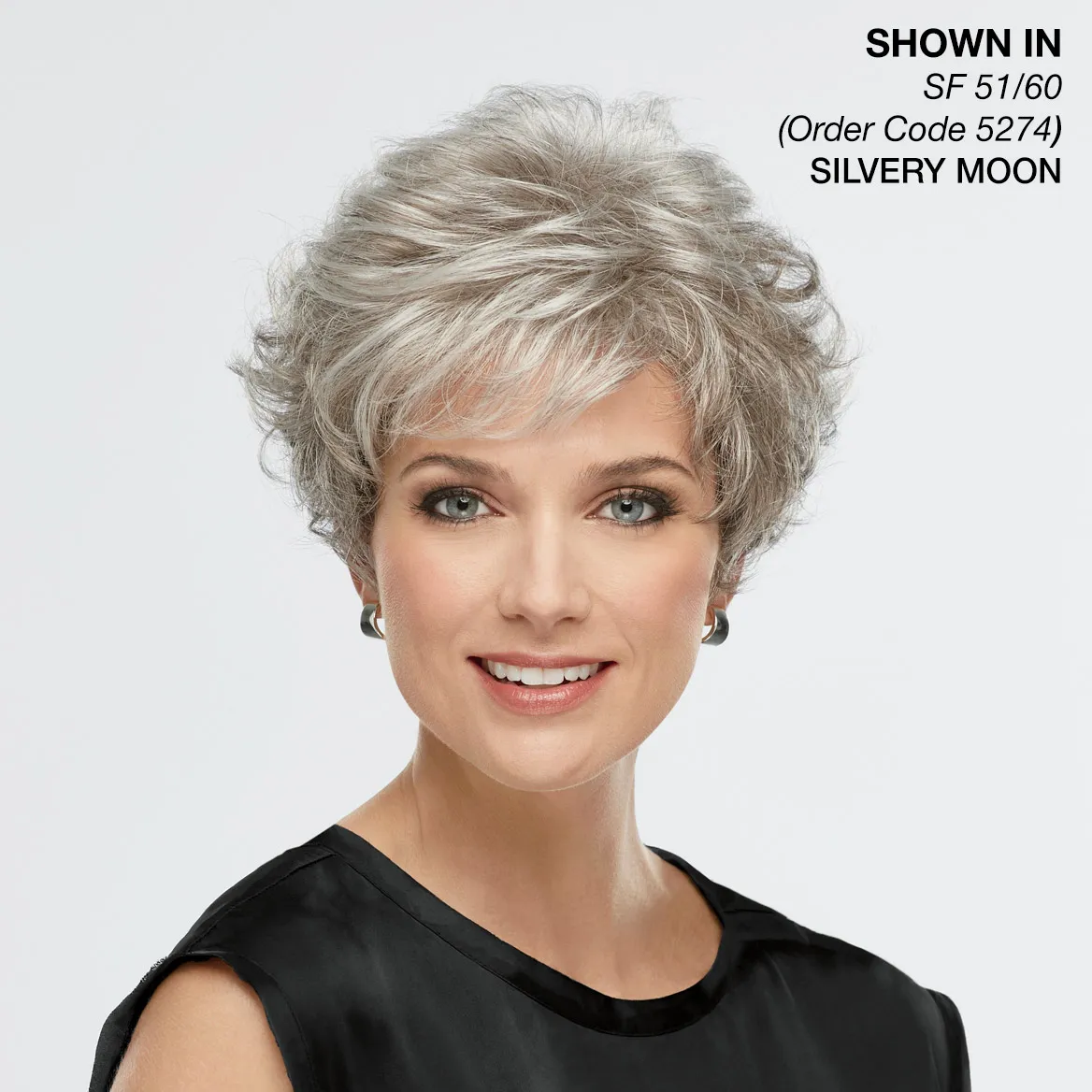
August is Hair Loss Awareness Month, a time dedicated to breaking the silence around one of the most emotionally charged experiences a woman can face. Hair loss is not just a physical change. For many women, it touches something much deeper: identity, femininity, and the quiet confidence that comes from feeling like yourself when you look in the mirror.
If you are navigating hair loss right now, whether from chemotherapy, alopecia, hormonal changes, or natural thinning, you are not alone. And you deserve real solutions, not just sympathy.
By the numbers: The American Academy of Dermatology estimates that roughly 80 million Americans experience hereditary hair loss, and women make up a significant portion of that number. Add in hair loss triggered by medical treatments and autoimmune conditions, and the scale becomes even clearer.
This month is about awareness, but awareness without action only goes so far. So let’s talk about what actually helps.
What Is Hair Loss Awareness Month?
Hair Loss Awareness Month takes place every August, led by organizations like the American Hair Loss Association to educate the public, reduce stigma, and connect people with resources and solutions.
For women, the conversation often feels harder to start. Society tends to frame hair loss as primarily a “men’s issue,” which leaves many women feeling isolated when they begin noticing thinning patches, shedding, or full hair loss. The reality is that female hair loss is extremely common, and it can stem from several causes:
Chemotherapy and cancer treatment: One of the most well-known causes, often involving rapid and significant hair loss
Alopecia areata: An autoimmune condition where the immune system attacks hair follicles
Androgenetic alopecia: Hereditary thinning that affects millions of women, often beginning after menopause
Telogen effluvium: Stress-related or hormonal shedding, often triggered by pregnancy, illness, or major life changes
Thyroid conditions and nutritional deficiencies: Less visible causes that are often overlooked
Understanding the cause matters for treatment. But in the meantime, life does not pause. You still have places to be, people to see, and mornings where you want to feel good about what you see in the mirror.

Why Wigs Are More Than a Cosmetic Choice
There is a persistent misconception that wearing a wig is purely about vanity. For women experiencing hair loss, the truth is far more meaningful.
A wig is a tool for reclaiming normalcy. Research has consistently shown that hair loss significantly impacts self-esteem, mental health, and quality of life, particularly for women. A study published in the Journal of the American Academy of Dermatology found that women with hair loss reported significantly higher rates of anxiety and depression compared to the general population.
A well-fitted wig does not just cover hair loss. It restores a sense of control during a time when so much feels out of your hands.
For women going through chemotherapy, having a wig ready before treatment begins can make the transition far less jarring. For women with alopecia or chronic thinning, a quality wig means not having to think about hair loss every single morning. That mental relief is not a small thing.
Wigs today are also nothing like the stiff, obvious hairpieces of decades past. Modern options are lightweight, breathable, and styled to look completely natural, which is exactly where Paula Young comes in.
What Makes Paula Young a Smart Choice for Women with Hair Loss
Paula Young has been helping women find wigs that fit their lives, not just their heads, for decades. The range is built with real women in mind, including women who are navigating hair loss for the very first time and have no idea where to start.
A Style for Every Need
Not all hair loss looks the same, and not all women want the same solution. Paula Young offers:
Synthetic wigs: Affordable, low-maintenance, and pre-styled so they look great right out of the box. A strong choice for women who want an easy everyday option during treatment or recovery.
Human hair wigs: Maximum versatility. You can wash, dry, and style them just like natural hair, ideal for women who want the most realistic look and feel.
Toppers and hairpieces: For women with partial thinning who want to add volume and coverage without a full wig. A great entry point if you are not ready to commit to a complete style change.
Petite-fit options: Designed for smaller head sizes, because comfort and a secure fit matter enormously when you are wearing a wig daily.
Accessible Pricing Without Compromising Quality
One of the most stressful parts of hair loss, especially during cancer treatment, is the cost. Medical bills pile up, and spending hundreds of dollars on a wig can feel impossible.
Paula Young keeps pricing accessible. Many styles start well under $50, and the quality does not suffer for it. Free shipping is available on orders over $69, so you can try a few styles without worrying about added costs eating into your budget.
Styles That Actually Look Like You
The biggest fear most women have about wigs is looking like they are wearing a wig. Paula Young’s collections are designed with natural movement, realistic hairlines, and rooted color options that mimic how real hair grows in. Celebrity-inspired lines, including the Jaclyn Smith collection, offer sophisticated, polished styles for women who want something that feels put-together without looking overdone.
The goal is simple: you should look in the mirror and see yourself, just on a better hair day.
Tips for Choosing Your First Wig
If you have never shopped for a wig before, the options can feel overwhelming. Here is a simple framework to help you start:
Start with your lifestyle. If you want something you can grab and go, synthetic is your friend. If you want maximum styling flexibility, look at human hair.
Consider your timeline. If you are starting chemo soon, order early. Hair loss from chemotherapy typically begins within two to four weeks of the first treatment, so having your wig ready in advance makes the transition smoother.
Measure your head. A proper fit is everything. Paula Young provides sizing guidance to help you find a cap that sits securely and comfortably.
Order more than one style. Wigs are affordable enough that having a couple of options, a casual everyday style and something a bit more polished, is entirely realistic.
Give yourself grace. Finding the right wig might take a try or two. That is completely normal, and it does not mean the process is not worth it.
You Deserve to Feel Like Yourself
Hair Loss Awareness Month is a reminder that this experience is shared by millions of women, and that asking for help, or simply finding a solution that works for you, is not weakness. It is self-care in the most practical sense.
Whether you are newly diagnosed, mid-treatment, or have been managing hair loss for years, a quality wig can give you back something that feels irreplaceable: a morning routine that does not start with loss.
Browse Paula Young’s full collection at paulayoung.com and find the style that helps you feel like you again.
Frequently Asked Questions
What is Hair Loss Awareness Month?
Hair Loss Awareness Month is observed every August to reduce stigma around hair loss, raise public awareness, and connect people with resources and solutions. For women specifically, it is a reminder that hair loss is common, valid, and something you do not have to navigate alone, whether it stems from chemotherapy, alopecia, menopause, or natural thinning.
Can I wear a wig during chemotherapy?
Yes, and many oncologists actually recommend having a wig ready before treatment begins. Hair loss from chemotherapy typically starts within two to four weeks of the first session, so ordering early gives you time to find a style you love before the change happens. Lightweight, breathable caps and soft-lined wigs are especially comfortable for sensitive scalps during treatment.
What is the difference between a synthetic wig and a human hair wig?
Synthetic wigs are pre-styled, low-maintenance, and more affordable, making them a great choice for everyday wear during treatment or recovery. Human hair wigs offer the most natural look and feel, and can be washed, dried, and heat-styled just like your own hair. If you are new to wigs, synthetic is usually the easier starting point, and you can always upgrade to human hair as you get more comfortable.