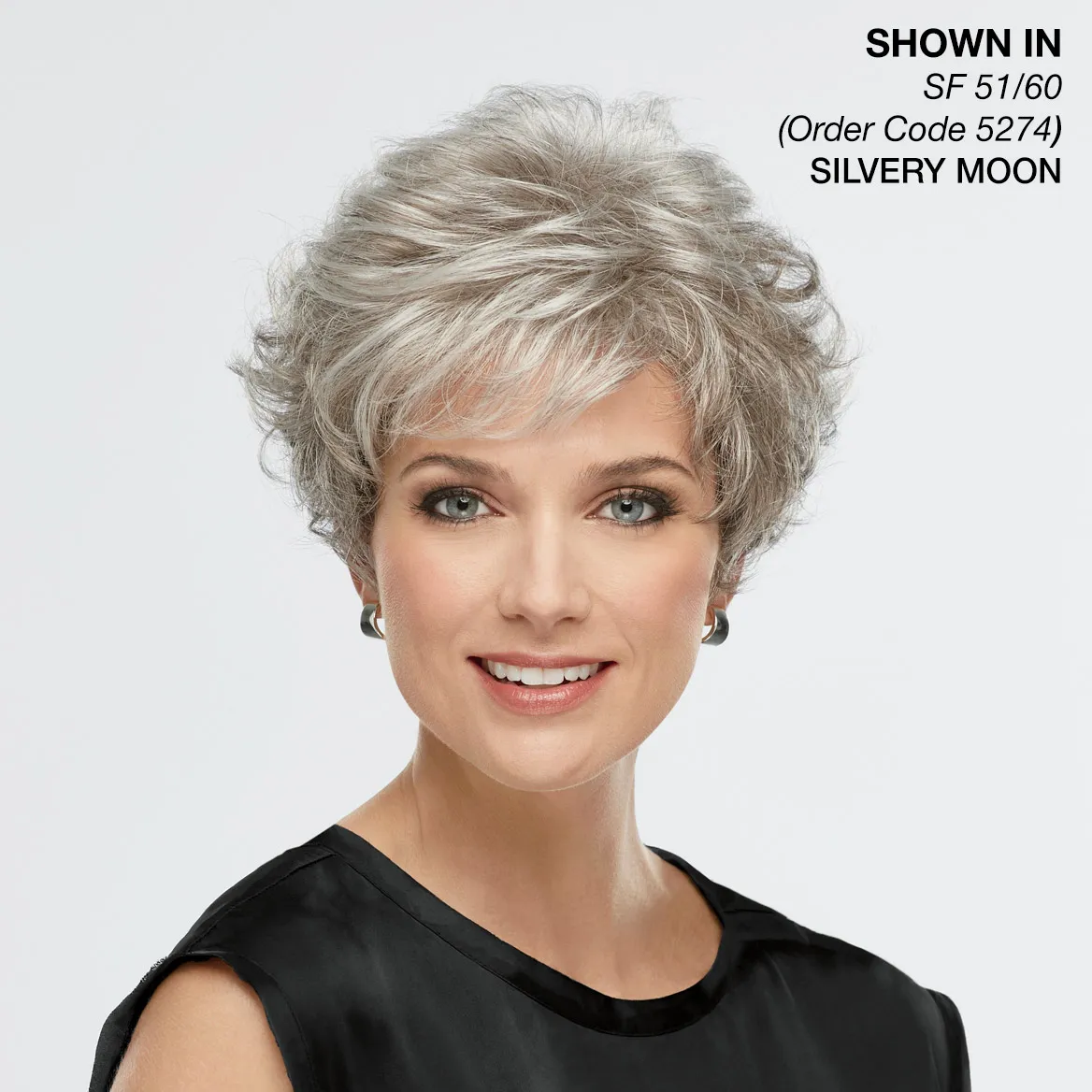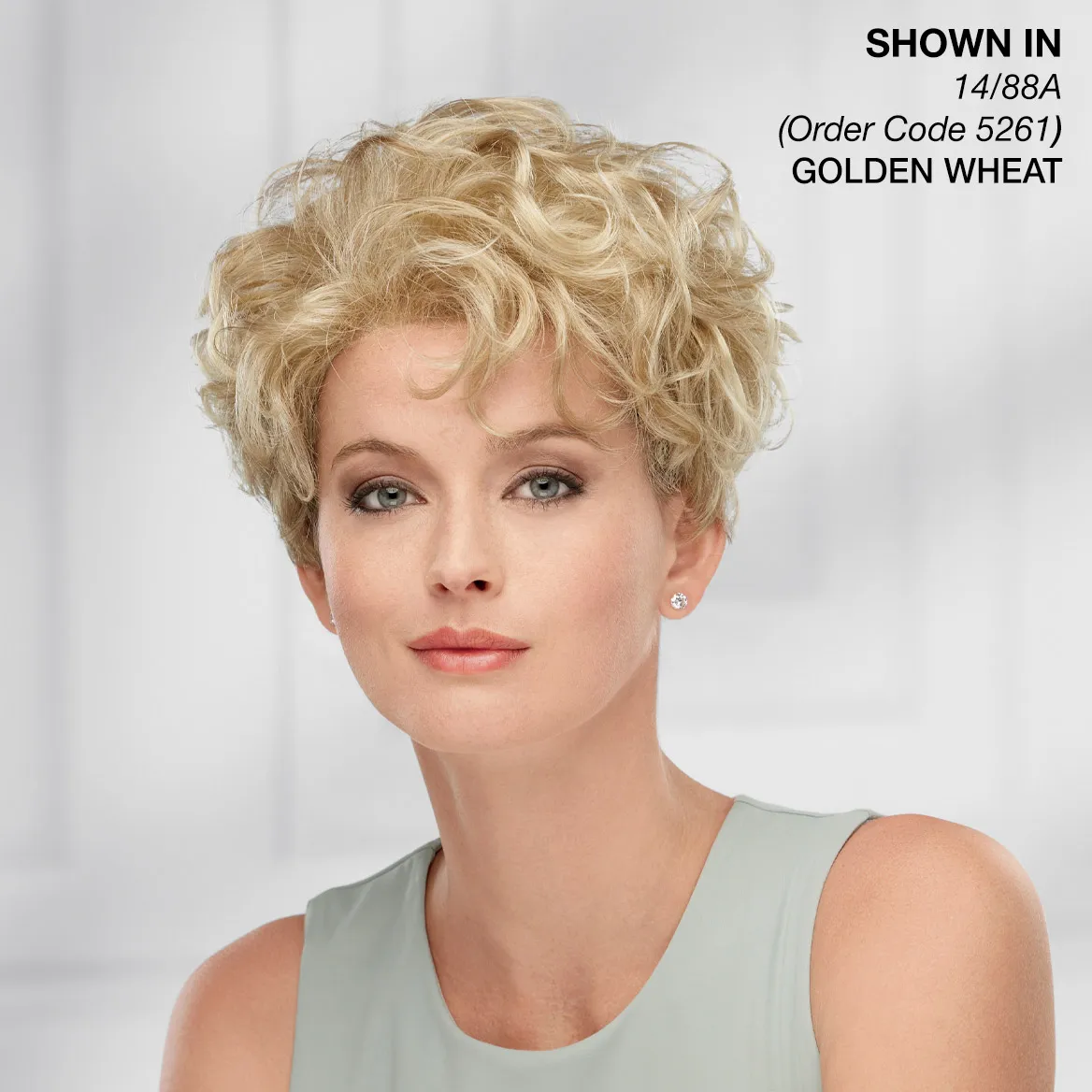
Wearing a synthetic wig every single day puts features to the test that a once-a-month occasion wig never has to face: eight hours of wear, commutes in humidity, a full workday under office lighting, and a hairline that needs to look natural whether you’re at your desk or running errands. Most roundup articles treat price as the main filter for synthetic wigs. For daily use, that’s the wrong starting point.
The real filter is construction. A $40 wig with a hard plastic front will look like a wig by noon. A $90 wig with a lace front and Kanekalon® WhisperLite® fiber will look like your hair.
Synthetic wigs are designed with various materials, but it’s essential to choose one that suits your needs for daily wear.
When selecting between options, consider how synthetic wigs perform in both comfort and appearance.
This guide ranks the top synthetic wigs for daily use based on the features that actually hold up: fiber quality, cap construction, comfort for all-day wear, and how realistic the hairline looks up close. Each pick includes who it’s best suited for, so you can match the right wig to your lifestyle rather than just your budget.
What you’ll find in this guide:
Essential Features of Synthetic Wigs for Daily Use
- The 7 best synthetic wigs for everyday wear, ranked by realism and durability
- A breakdown of what cap construction actually means for daily comfort
- How to tell Kanekalon® WhisperLite® fiber from lower-quality alternatives before you buy
- A quick care routine that extends your wig’s lifespan by months
What Makes a Synthetic Wig Work for Daily Use
Before the ranked picks, it helps to understand the two features that separate a daily-wear wig from everything else. Most buyers focus on color and style in product photos. Those things matter, but they don’t determine whether a wig is still comfortable at 4 p.m. or whether it photographs naturally under bright light.
Fiber Type: Kanekalon vs. Standard Synthetic
The fiber inside a wig determines how it moves, how it reflects light, and how long it holds its style. Kanekalon® WhisperLite® is the industry benchmark: it’s flame-retardant, tangle-resistant, and engineered to scatter light the way natural hair does rather than producing a telltale plastic sheen. Toyokalon is a softer alternative that shows up in fashion and fashion-forward styles where silky texture matters more than heat tolerance.
Standard synthetic fibers, often listed simply as “acrylic” without a brand name, are the ones to avoid for daily use. They look fine in photos and feel fine out of the box, but they degrade faster, tangle more readily, and tend to develop a shiny, flat look after a few weeks of regular wear.
Choosing the right synthetic wig can greatly affect your daily routine, ensuring you feel confident and comfortable.
Investing in quality synthetic wigs can make a significant difference in how natural they look and feel.
Quick fiber check: If a product listing doesn’t name the fiber type, that’s a red flag. Quality brands always specify Kanekalon, Futura, or Tru2Life fiber because it’s a selling point worth advertising.
Cap Construction: The Feature Most Shoppers Skip
How a wig is built on the inside affects comfort and realism more than any other single factor. According to breastcancer.org’s wig guidance, daily wearers should prioritize higher-quality cap construction alongside fiber quality, since both directly affect how natural the wig looks and how comfortable it feels through a full day.
| Cap Type | What It Does | Best For |
| Lace Front | Hand-tied sheer lace at the hairline; creates a natural-looking edge | Anyone who wears hair off the face or needs a realistic hairline |
| Monofilament Top | Individual hairs tied to a sheer base at the crown; mimics scalp | Parting versatility and natural movement at the top |
| Basic/Wefted Cap | Machine-sewn wefts throughout; durable and affordable | Casual wear, first-time buyers, budget-focused shoppers |
| 100% Hand-Tied | Every hair individually tied; softest, most natural movement | Sensitive scalps, maximum styling flexibility |
For daily use, a lace front with a wefted back is the sweet spot: realistic where it matters most (the hairline), durable where it takes the most wear (the back and sides), and priced accessibly in the $70–$130 range.
The 7 Best Synthetic Wigs for Daily Use
Many factors contribute to the quality of synthetic wigs, such as fiber type and cap construction.
For daily use, synthetic wigs with a lace front are particularly recommended for their realistic appearance.
These picks are organized by use case rather than strict price order, because the right wig depends on your lifestyle as much as your budget. Each entry notes the cap construction, fiber type, price range, and who it’s best suited for.
1. Best Overall: Lace Front with Kanekalon Fiber, Mid-Length Bob
Price range: $75–$110 | Cap: Lace front, wefted back | Fiber: Kanekalon
A mid-length bob with a lace front is the most versatile daily-wear choice available. The lace creates a hairline that holds up under direct light and close-range conversation, and the bob length keeps tangles minimal. Kanekalon fiber means the style bounces back after washing without any restyling.
Choosing the Best Synthetic Wigs for Daily Use
Finally, synthetic wigs provide versatility, allowing wearers to change their look effortlessly.
Best for: Office workers, first-time daily wearers, anyone who wants one wig that handles everything.
What to look for: Adjustable straps and at least two interior anchor combs. These keep the wig secure through a full day without adhesive.
2. Best for a Natural Part: Monofilament Top Wig
Price range: $90–$130 | Cap: Monofilament top, lace front | Fiber: Kanekalon or Futura
The monofilament top is the single biggest upgrade for anyone who’s worn wigs before and knows the limitation: a fixed part that never quite looks real. With a mono top, each hair is individually hand-tied to a sheer base, so the crown mimics natural scalp and the part can be moved in multiple directions.
This is the pick for anyone replacing an older wig and wondering why it always looked slightly off. The mono top is usually why.
Best for: Regular wig wearers upgrading from a basic cap, anyone with a parting-forward style.
3. Best Lightweight Option: Short Pixie Wig or Cropped Style
Price range: $45–$75 | Cap: Basic or lace front | Fiber: Kanekalon
Shorter wigs weigh significantly less than mid-length or long styles, which matters enormously after six or seven hours of wear. A well-made pixie or cropped cut in Kanekalon® WhisperLite® fiber can look polished and natural with almost zero daily maintenance. There’s nothing to tangle, nothing to smooth down, and the style holds through humidity.
Best for: Active lifestyles, warmer climates, anyone who finds longer wigs uncomfortable by afternoon.
Note: Even with a shorter style, look for a lace front rather than a hard front. The hairline difference is visible, especially with shorter cuts where the front edge is more exposed.
4. Best Heat-Friendly Option: Wavy or Layered Style with Futura Fiber
Modern synthetic wigs are made to withstand daily wear while maintaining their style and look.
Price range: $80–$140 | Cap: Lace front | Fiber: Futura or heat-resistant synthetic
Standard synthetic fibers melt under heat tools. Heat-friendly fibers, including Futura and some Kanekalon® WhisperLite® blends, safely tolerate temperatures between 250°F and 350°F, giving you the ability to refresh curls, adjust waves, or switch between straight and wavy looks. According to breastcancer.org’s fiber guide, heat-friendly wigs should still be styled at the lower end of the heat range, using a heat protectant formulated for synthetic fibers, since repeated high heat degrades the fiber faster than normal wear.
The durability of synthetic wigs makes them a popular choice for those who wear them regularly.
Seek out synthetic wigs that provide a natural look and feel for your day-to-day activities.
When choosing synthetic wigs, consider the climate you live in and how it might affect your choice.
Investing time into maintaining synthetic wigs ensures they remain comfortable and look great.
Best for: Anyone who wants styling flexibility without committing to human hair. Ideal for people who like to change their look between straight weekday wear and wavy weekend styles.
Before purchasing synthetic wigs, it helps to read reviews and understand the experiences of others.
5. Best for Sensitive Scalps: 100% Hand-Tied Cap
Price range: $120–$180 | Cap: 100% hand-tied | Fiber: Kanekalon or Futura
The hand-tied cap is the most comfortable construction available. Every single hair is individually knotted to the base, which means the cap interior is soft and smooth rather than stiff with machine-sewn wefts. For anyone experiencing hair loss, undergoing treatment, or dealing with a sensitive scalp, this construction removes the friction and pressure points that basic caps create.
Long synthetic wigs can require more maintenance, but they also offer versatility in styling.
The trade-off is price: hand-tied wigs sit at the top of the synthetic range. But for someone wearing a wig every day out of necessity rather than preference, comfort is worth the investment.
Best for: Post-treatment hair loss, sensitive scalps, anyone who has found basic caps irritating or uncomfortable.
Remember, the best synthetic wigs should offer both style and comfort for everyday wear.
Wearing synthetic wigs should feel effortless, adding convenience to your daily routine.
6. Best Long Style: Straight or Loose Wave, Shoulder-Length or Below
Price range: $65–$120 | Cap: Lace front, wefted back | Fiber: Kanekalon
Long synthetic wigs require more maintenance than shorter styles, but they’re entirely manageable daily if you choose the right fiber and keep up with a simple detangling routine. Kanekalon® WhisperLite® holds its wave or straight pattern wash after wash, so you’re not restyling every morning. A lace front keeps the hairline looking natural even when hair is pulled back loosely.
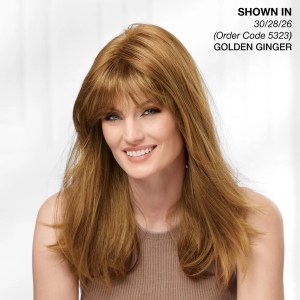
Wearing synthetic wigs can be a way to express your style without the commitment of hair dye.
Best for: Anyone who prefers longer hair and is willing to spend two to three minutes detangling after each wear.
Maintenance note: Detangle after wearing, not before. Storing a tangled wig accelerates fiber breakdown.
Each synthetic wig has its unique characteristics that can match your personal style preferences.
7. Best Budget Pick: Basic Cap Lace Front Under $50
Price range: $35–$55 | Cap: Basic cap with lace front | Fiber: Kanekalon or Toyokalon
A lace front makes even a basic wefted cap look significantly more natural, and it’s possible to find solid options in this price range if you know what to check. Avoid listings that describe fiber only as “synthetic” without naming the type. Look for named fibers (Kanekalon, Toyokalon), an adjustable strap, and at least one interior comb.
At this price point, expect a lifespan of four to six months with daily wear, compared to six to twelve months for mid-range options. Rotating between two wigs extends both significantly.
Best for: First-time buyers testing daily wig wear before committing to a higher investment, or anyone who prefers to rotate multiple affordable styles.
Investing in high-quality synthetic wigs enhances your overall styling experience.
How to Make a Daily-Wear Synthetic Wig Last Longer
With daily use, most synthetic wigs last four to six months at the lower end and six to eighteen months with proper care, depending on fiber quality and cap construction. The difference between those outcomes comes down almost entirely to the routine you build around wearing and storing the wig.
The Basic Care Routine
Washing too often is one of the most common mistakes. Synthetic fibers don’t produce scalp oils the way natural hair does, so frequent washing strips the fiber coating and accelerates dullness. Wash every six to ten wears using cool water and a shampoo formulated specifically for synthetic hair. Regular shampoo contains ingredients that damage synthetic fibers over time.
Step-by-step wash routine:
- Fill a basin with cool water and add a small amount of synthetic wig shampoo
- Submerge the wig and gently swish without rubbing or scrubbing
- Rinse thoroughly under cool running water
- Press out excess moisture with a clean towel; never wring or twist
- Place on a wig stand and air-dry completely before storing or wearing again
Never use a hair dryer on a standard synthetic wig, even on a cool setting. Heat warps the fiber structure even at low temperatures.
Storage and Lifespan Boosters
How you store a wig between wears has a bigger impact on lifespan than almost anything else. Tossing it in a drawer tangled is how fibers break down early.
- Store on a wig stand or in a breathable bag, away from direct sunlight (UV fades synthetic color faster than washing does)
- Detangle immediately after wearing, before storing, using a wide-tooth comb starting at the ends and working upward
- Wear a wig cap liner to reduce oil transfer from your scalp to the fibers
- Keep wigs away from cooking steam, open flames, and cigarette smoke
- Rotate between two wigs if wearing daily; this alone can double the lifespan of each
A light conditioning spray formulated for synthetic hair, applied monthly, keeps fibers soft and reduces static. Avoid silicone-heavy products, which weigh the fiber down and attract dust over time.
When to Replace
Even with excellent care, daily-wear synthetic wigs have a finite lifespan. Signs it’s time to replace: persistent frizz that doesn’t respond to conditioning spray, visible fiber breakage at the ends, or a hairline that no longer lies flat. At that point, no amount of care will restore the original look.
When you decide to invest in synthetic wigs, it’s important to know how to care for them properly.
Choosing the right synthetic wigs can greatly affect your daily experience and confidence.
With the right care, synthetic wigs can last longer and maintain their high-quality appearance.
Choosing the Right Wig for Your Daily Routine
For those who find the right synthetic wig, it can become an essential part of their daily lives.
Make sure to choose synthetic wigs that align with your desired level of maintenance and style.
The best synthetic wig for daily use isn’t necessarily the most expensive one in this list, but it’s rarely the cheapest either. The sweet spot for most everyday wearers is the $75–$130 range: enough to get a lace front, quality fiber, and a cap that holds up through months of regular wear.
If you’re buying your first daily wig, start with the lace front bob (pick #1) and build from there. If you’re replacing an older wig that never quite looked natural, the monofilament top (pick #2) is the upgrade most likely to solve the problem.
Key takeaway: For daily wear, prioritize cap construction and fiber quality over style first. A realistic hairline and comfortable fit matter more at hour seven than they do in the product photo.
Looking for wig care essentials to go alongside your new synthetic wigs? Wig stands, synthetic-safe shampoo, and conditioning sprays are small investments that meaningfully extend the life of any daily-wear synthetic wig. Browse hair care accessories at Paula Young to find what you need in one place.