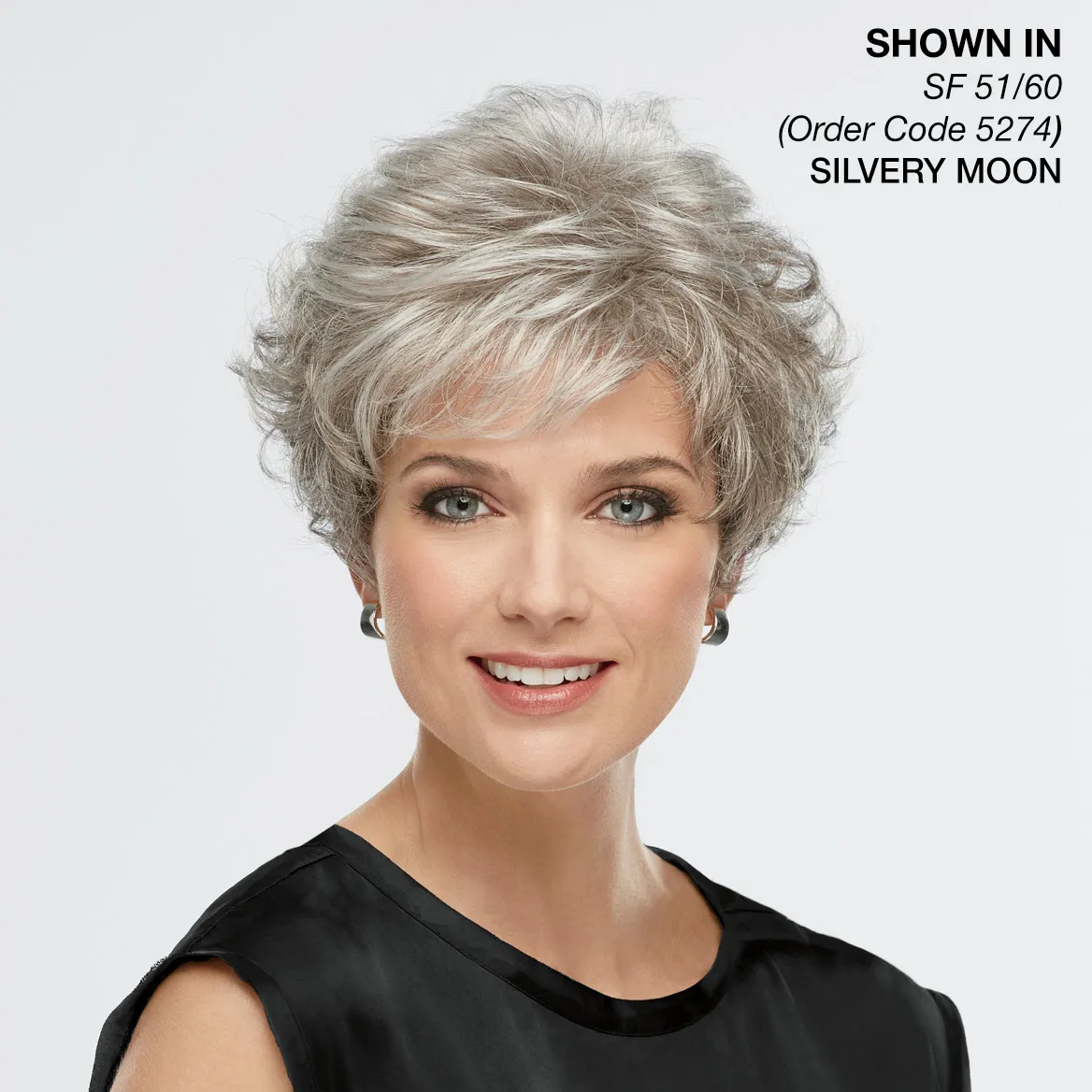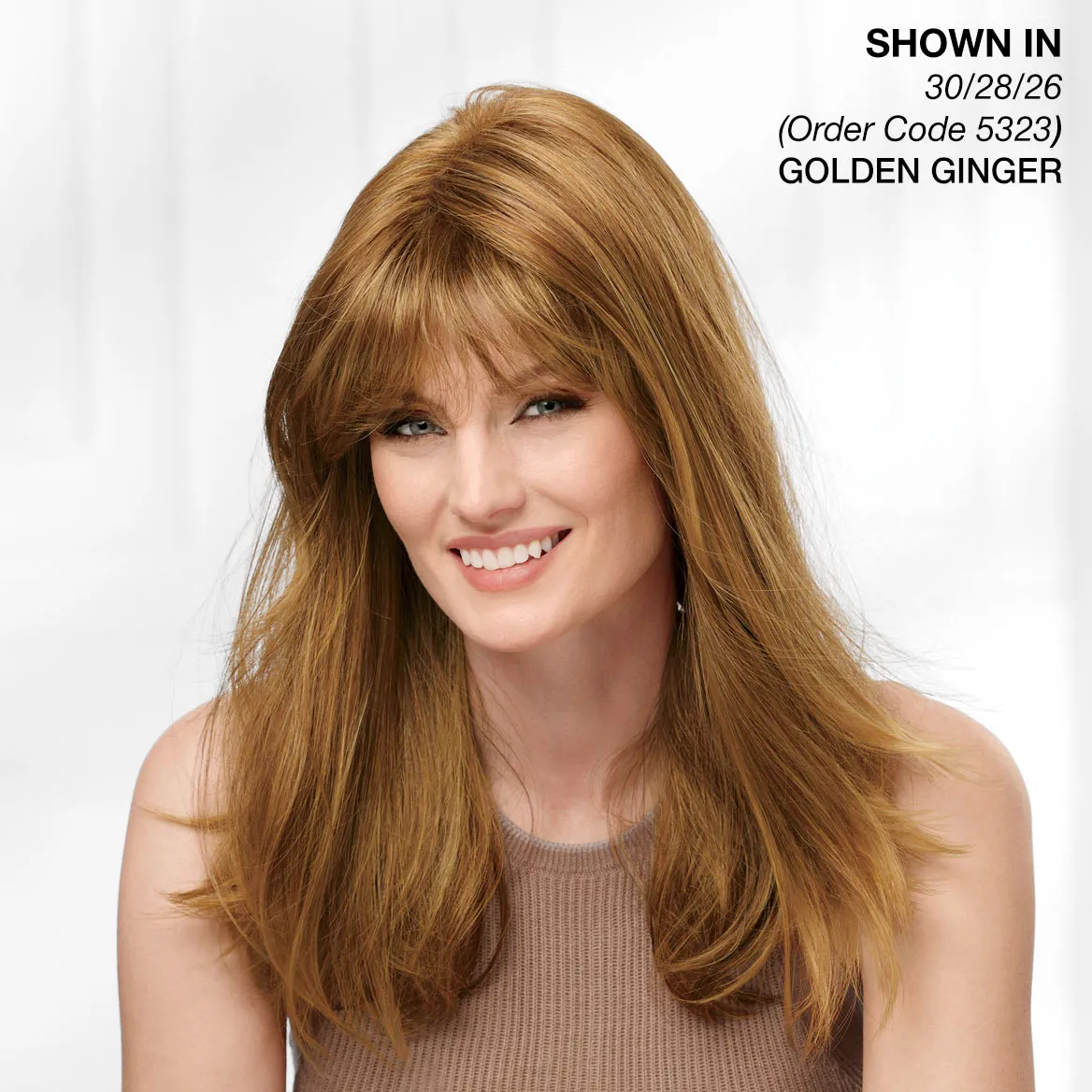
Hair Loss? You Are Not Alone
Hair loss affects more than 80 million Americans — men and women of all ages, backgrounds, and walks of life. Whether you’re experiencing thinning hair due to chemotherapy, alopecia, thyroid conditions, menopause, or natural aging, one thing is certain: the emotional impact of hair loss can be profound.
At Paula Young, we’ve spent over 50 years helping people just like you rediscover their confidence, express their personality, and feel beautiful again — all through the transformative power of wigs for hair loss.
This comprehensive guide will walk you through everything you need to know about choosing, wearing, and caring for wigs when dealing with hair loss — from cap construction and fiber types to fit, comfort, and styling tips.
What You’ll Learn in This Guide
- ✅ Why wigs are a top solution for hair loss
- ✅ The best types of wigs for hair loss sufferers
- ✅ How to choose the right cap construction
- ✅ How to measure your head for the perfect fit
- ✅ Tips for wearing a wig comfortably when experiencing hair loss
- ✅ Frequently asked questions about wigs for hair loss

Why Wigs Are One of the Best Solutions for Hair Loss
When hair begins to thin or fall out entirely, the search for solutions can feel overwhelming. From medications and supplements to scalp treatments and hair fibers, there are many options on the market — but few offer the immediate, reliable, and beautiful results that a high-quality wig can provide.
Here’s why thousands of people turn to Paula Young wigs for hair loss every single year:
🌟 Instant Transformation
Unlike treatments that may take months to show results (if they work at all), a wig gives you a full head of hair the moment you put it on. Whether you’re heading to a doctor’s appointment, a family dinner, or a night out with friends, your wig is ready when you are.
🌟 Natural-Looking Results
Today’s wigs are nothing like the obvious, uncomfortable hairpieces of decades past. Modern wigs for hair loss are crafted with incredibly realistic cap constructions — including lace fronts, monofilament tops, and hand-tied caps — that mimic the look and feel of natural hair growth from the scalp.
🌟 Total Control Over Your Look
Hair loss doesn’t have to mean giving up the hairstyle you love — or the opportunity to try something new. With wigs, you can choose your exact color, length, cut, and texture, giving you full creative control over your appearance.
🌟 Emotional Well-Being
Multiple studies and countless personal stories confirm what we already know: feeling good about your appearance positively impacts your mental health. For many people experiencing hair loss, wigs provide a vital sense of normalcy, self-expression, and confidence during an otherwise difficult time.
🌟 Affordability
High-quality wigs for hair loss don’t have to break the bank. At Paula Young, we believe every person deserves access to beautiful, well-crafted wigs — which is why we offer an extensive range of styles at prices that fit real budgets.
Understanding Hair Loss: Common Causes
Before choosing the right wig, it helps to understand your specific type of hair loss. Different conditions may affect your scalp sensitivity, the extent of hair loss, and the features you’ll want to prioritize in a wig.
Chemotherapy-Related Hair Loss
One of the most common reasons people search for wigs for hair loss, chemotherapy-induced alopecia is typically temporary but can result in complete hair loss across the scalp. People in this situation often prioritize soft, gentle cap linings and lightweight construction.
Alopecia Areata & Alopecia Totalis
Alopecia is an autoimmune condition that causes patchy or complete hair loss. Those with alopecia often need a wig that provides full coverage and a secure fit without relying on natural hair for support.
Female Pattern Baldness (Androgenetic Alopecia)
The most common form of hair loss in women, female pattern baldness typically causes thinning at the crown and top of the scalp. Many women in this situation benefit from wigs with monofilament tops that allow for natural-looking part lines and scalp visibility.
Thyroid-Related Hair Loss
Thyroid disorders — including both hypothyroidism and hyperthyroidism — can cause significant hair thinning. As thyroid levels are managed and hair begins to regrow, many women use wigs as a long-term or transitional solution.
Trichotillomania
This hair-pulling disorder can lead to patchy hair loss that’s difficult to conceal with traditional styling. Wigs offer a seamless, complete coverage solution that also provides a visual reminder of the look one is working toward.
Postpartum Hair Loss
Many new mothers experience significant hair shedding in the months following delivery. While typically temporary, postpartum hair loss can be distressing. A beautiful wig can provide confidence during the regrowth phase.
Natural Thinning with Age
As women age, hair naturally becomes finer and less dense. Wigs and hairpieces offer a wonderful way to maintain a voluminous, youthful look without the need for extensive styling or chemical treatments.
Types of Wigs for Hair Loss: Which Is Right for You?
Not all wigs are created equal — especially when it comes to hair loss. Here’s a breakdown of the most popular wig types available at Paula Young and why each one might be the right choice for you.
1. Full Wigs
Full wigs provide complete coverage from the hairline to the nape of the neck, making them ideal for anyone experiencing moderate to total hair loss. They come in both synthetic and human hair options and offer the widest variety of styles, colors, and lengths.
Best for: Chemotherapy hair loss, alopecia totalis, female pattern baldness, complete hair loss
Paula Young Tip: Look for full wigs with adjustable straps and built-in combs for a more secure, customized fit.

2. Lace Front Wigs
Lace front wigs feature a sheer lace panel along the front hairline, creating an incredibly natural-looking hairline that appears to grow directly from your scalp. They can be parted anywhere along the front and styled away from the face.
Best for: Those who wear their hair pulled back, updos, or anyone who wants the most realistic hairline possible
Paula Young Tip: Lace front wigs are especially popular among women who have experienced thinning around the temples and front hairline.
3. Monofilament Wigs
The crown of a monofilament wig is constructed with a sheer mesh material to which each hair strand is individually hand-sewn. This allows the hair to move in multiple directions and gives the appearance of natural hair growing from the scalp when the wig is parted.
Best for: Women with thinning at the crown, those who like to change their part, or anyone seeking the most natural-looking scalp appearance
Paula Young Tip: Monofilament wigs are a top choice among our customers dealing with female pattern baldness and chemotherapy hair loss.

4. Hand-Tied Wigs
In a hand-https://www.paulayoung.com/shop-wigs-hand-tied&utm_blogtied wig, every single hair strand is individually knotted onto the cap by hand. This creates the most natural movement and softness of any cap construction. Hand-tied wigs are lightweight, flexible, and gentle on sensitive scalps.
Best for: Sensitive scalps, chemotherapy patients, anyone who experiences scalp irritation or discomfort
Paula Young Tip: Hand-tied wigs tend to have a higher price point, but the comfort and realism they offer are unmatched.
5. Open Weft / Basic Cap Wigs
Basic cap wigs feature machine-sewn rows of hair wefts on an elastic base. They are typically the most affordable option and offer good durability and volume. While they don’t offer the same level of realism as monofilament or hand-tied styles, today’s basic cap wigs are incredibly stylish and comfortable.
Best for: Budget-conscious shoppers, those new to wearing wigs, everyday casual wear
Paula Young Tip: Basic cap
Frequently Asked Questions (FAQ)
❓ What are the best wigs for hair loss?
The best wigs for hair loss are those that combine a natural appearance, a comfortable fit, and a gentle cap construction that won’t irritate a sensitive scalp.
Specifically, look for:
- Monofilament wigs — ideal for women with thinning at the crown because the sheer mesh top creates the illusion of a natural scalp and allows the hair to be parted in multiple directions
- Hand-tied wigs — the softest, most lightweight option and best for those undergoing chemotherapy or with highly sensitive scalps
- Lace front wigs — perfect for the most realistic, undetectable hairline
- Full cap wigs with adjustable straps — great for total hair loss as they provide full coverage and a secure, customizable fit
At Paula Young, we carry all of these styles in a wide range of colors, lengths, and price points to suit every need and budget.
❓ Are wigs good for people with alopecia?
Yes — wigs are one of the most recommended solutions for people living with alopecia, including alopecia areata, alopecia totalis, and alopecia universalis.
Because alopecia can cause unpredictable patchy or complete hair loss, wigs offer:
- Immediate, full coverage regardless of how much natural hair remains
- A secure fit that doesn’t depend on existing hair for support (especially important with alopecia totalis)
- Freedom to choose any style, color, or length
- Emotional comfort and a restored sense of normalcy and self-confidence
Many people with alopecia wear wigs daily and consider them an essential part of their lifestyle. Paula Young’s monofilament and hand-tied wigs are particularly popular in the alopecia community for their natural look and gentle feel.
❓ How do I choose the right wig for hair loss?
Choosing the right wig for hair loss comes down to five key factors: the cause and extent of your hair loss, cap construction, fiber type, fit, and your personal style preferences.
Here’s a simple decision guide:
| Your Situation | Recommended Wig Type |
|---|---|
| Complete hair loss (chemo, alopecia totalis) | Full cap, hand-tied, or monofilament wig |
| Thinning at the crown | Monofilament top wig |
| Thinning at the hairline | Lace front wig |
| Sensitive or irritated scalp | Hand-tied wig with soft cap lining |
| First-time wig wearer on a budget | Basic cap synthetic wig |
| Want the most natural look possible | Hand-tied monofilament lace front wig |
| Active lifestyle | Synthetic wig (low maintenance, holds style) |
❓ How do I keep a wig in place when I have no hair?
1. Wig Grip Bands
A velvet or silicone headband worn under your wig creates friction to hold it firmly in place without adhesives. This non-invasive, washable option is ideal for sensitive scalps or those undergoing medical treatments. For extra comfort, look for moisture-wicking properties to manage scalp sweat.
2. Adhesives & Tape
For maximum security during active days or windy weather, use double-sided wig tape, liquid glue, or roll-on adhesives. These create a strong bond between the wig cap and your skin. Note: If you have a compromised or sensitive scalp, consult a doctor before applying adhesives directly to the skin.
3. Wig Caps
Wearing a nylon, silicone, or bamboo cap under your wig protects your scalp from friction and provides a non-slip surface. Silicone offers the strongest grip for total hair loss, while bamboo or cotton is gentlest on sensitive skin. Choose a color close to your skin tone for a seamless look.
4. Built-In Straps & Combs
Many wigs feature adjustable velcro straps at the nape, elastic perimeters, and interior combs. While combs usually grip natural hair, they can also hook into a wig grip band or fabric cap to provide layered, slip-free security.
5. Perfect Sizing & Measurements
A well-fitting wig naturally stays put. Determine your size (Petite: <21.5″, Average: 21.5″–22.5″, Large: >22.5″) by wrapping a soft measuring tape around your head’s circumference, front-to-back, and ear-to-ear. If you fall between sizes, size up for a more comfortable, pressure-free fit.
6. Breathable Construction
Heat and sweat can cause a wig to slip. Prevent irritation by choosing lightweight styles with open wefting for airflow, monofilament tops that let the scalp breathe, and moisture-wicking linings.
💬 Real Customer Tip
“After losing all my hair during chemo, I was terrified my wig would slip at the worst moment. I started using a velvet wig grip band under my monofilament wig from Paula Young and it was a game-changer. I forgot I was even wearing it most days!”
— Sandra M., Paula Young Customer